Mediation Efforts on Sudan: Beware the Pitfalls of Diplomatic Coordination

Establishing an informal but regular contact group of like-minded states and international organizations on Sudan would be an important outcome of the April 15 Sudan conference in London. It should learn lessons from the Friends of Sudan and other international coordination efforts, in the way it engages with Sudanese actors as well as external supporters of the conflict parties.

Commentary at ISPI, 15 April 2025

As the war in Sudan approaches its two-year anniversary, the conflict is set to enter a new phase. Regaining the heart of the capital Khartoum has been a major success – and a morale booster just ahead of the end of Ramadan – for the Sudanese Armed Forces (SAF). The Rapid Support Forces (RSF), for their part, still control vast swathes of Sudan’s territory west of the Nile. Military action won’t end the war anytime soon. This could be an entry point for a renewed push for a ceasefire

Given this prospect, more effective international coordination is essential. There is currently no unified, regular diplomatic contact group on Sudan, the biggest humanitarian crisis in the world with more than 30 million peopleneeding assistance (and much less getting it). The so-called Extended Mechanism created by the African Union (AU) in the first weeks of the war has only met infrequently and is probably also too unwieldy as a workable mechanism. Sudan special envoys have met in various configurations, including convened by the Intergovernmental Authority on Development (IGAD), the sub-regional body for the Horn of Africa, and by Ramtane Lamamra, the UN Secretary-General’s Personal Sudan Envoy. However, none of these have yet resulted in a regular mechanism. 

An overall aim of such a mechanism should be to provide regular updates of the members’ activities and create a platform to provide a modicum of coordination wherever possible. Ideally, it would also lead to more coherence, unity and sincerity in support of a negotiated end to the war, help mobilizing resources to avert (further) famine, and prevent the polarization of regional and international actors that are increasingly taking sides in the war. However, the current geopolitical context means that these objectives are probably no more than wishful thinking.

Why international efforts to end the war have failed so far

The war in Sudan is becoming increasingly protracted. SAF and RSF lead coalitions of armed actors over which they do not have complete control, but whose interests they have to consider in their political positions. Both Abdelfattah al-Burhan as head of the SAF and Mohamed Hamdan Dagalo (better known as Hemedti) as head of the RSF made clear in their respective Eid speeches at the end of March 2025 that there would be no negotiations. In contrast to previous declarations by the RSF over their readiness to talks, Hemedti now said there would be “only the language of the gun”. The roadmap for peace published by Sudan’s Ministry of Foreign Affairs includes a national dialogue and a cabinet of technocrats, but also makes the laying down of arms and withdrawal from all areas currently controlled by the RSF a prerequisite: a negotiated surrender in all but name. 

So, there is no easy opening for mediation. In view of these rejections, international efforts so far relied essentially on three different approaches: security talks focused on a ceasefire and protection of civilians; personal accommodation through a face-to-face meeting between al-Burhan and Hemedti; and mobilizing a civilian bloc as alternative “third force”.

Talks in Jeddah led by the US and Saudi Arabia in May 2023 resulted in a declaration on the protection of civiliansand a one-week ceasefire signed by SAF and RSF. Nevertheless, the parties did not adhere to their commitments, with no consequences for them. At the next round in October/November 2023, the parties did not confirm the ceasefire, and failed to follow through on their individual commitments for improved humanitarian access. Instead of a third round, the US tried to convene a slightly broader group of states and the two belligerents in Geneva in August 2024. However, the SAF delegation did not want to be treated on the same level as the RSF (and avoid exposing its internal differences) and declined the invitation. Lowering their ambition, the US-led coalition of facilitators founded in Geneva focused on improving humanitarian access instead. However, these efforts had limited success, as humanitarian access to fighting zones remained severely hampered in their search for a pragmatic approach, the US were prepared to accord the authorities in Port Sudan more legitimacy by treating al-Burhan as Head of the Transitional Sovereign Council and not just as head of the military. The supposed lead mediator, US Special Envoy Thomas Periello, was, for US security reasons, only able to travel to Port Sudan and meet al-Burhan in November 2024 though, when the result of the presidential elections signaled the foreseeable end of his term with the outgoing Biden administration, weakening the scope of this initiative.

AU and IGAD created several mechanisms for mediation, but were not fully accepted by the SAF: firstly, Sudan remains suspended from the AU because of the coup in October 2021; SAF withdrew from the IGAD initiative after a failed one-on-one meeting with Hemedti was followed by Hemedti attending an IGAD summit in Kampala in January 2024. SAF also rejected Kenya’s role as chair of IGAD’s quartet, a skepticism which only grew in light of the founding of a new RSF-led political alliance with Nairobi’s blessing in February 2025. The AU’s high-level panel on Sudan was very slow to organize talks with civilian actors, which has been its main objective, and failed to follow-up with them for months after two roundtables in the summer of 2024. The AU’s presidential ad hoc committee aims to organize a face-to-face meeting between Burhan and Hemedti, but has never met.

Competition between mediators did not help. Egypt distrusts IGAD as a mediation channel – both because it is not a member state, and because of the dominant role played in it by Ethiopia. It pushes for Sudan’s readmission to the AU (so far unsuccessfully) and organized its own initiative of Sudan’s neighboring countries (in July 2023), with no impact. Being non-African, the UAE and Saudi Arabia, major players in Sudan, are not part of the AU, and are also skeptical of pushing for a renewed civilian-led government in Sudan. When the UAE and Egypt facilitated a secret meeting in Bahrain, SAF and RSF both sent their respective deputy leaders and got relatively far. Yes, negotiations stalled again, and SAF withdrew from the talks, pointing to the RSF’s failed commitment to the Jeddah declaration. Cooperation between the AU and UN envoys remains difficult on the Sudan file. So-called “proximity talks” (i.e. indirect) talks set up by UN Special Envoy Ramtane Lamamra did not bring a breakthrough. Finally, a draft resolution in the UN Security Council co-signed by the UK and Sierra Leone, that would have asked the UN Secretary-General to develop a compliance mechanism for the protection of civilians and called for a cessation of hostilities, was vetoed by Russia in November 2024.

The fractured nature of the warring parties has been a major challenge. The mediation efforts failed to sufficiently account for the complex dynamics within the conflict parties as well as between them and their external backers, including in response to the situation on the battlefield. Competition between would-be mediators allowed Sudanese warring parties to decline invitations, withdraw from negotiations, and to avoid making compromises that could fracture their coalitions of militias, regular forces and mercenaries.

Learning from the Friends of Sudan experience

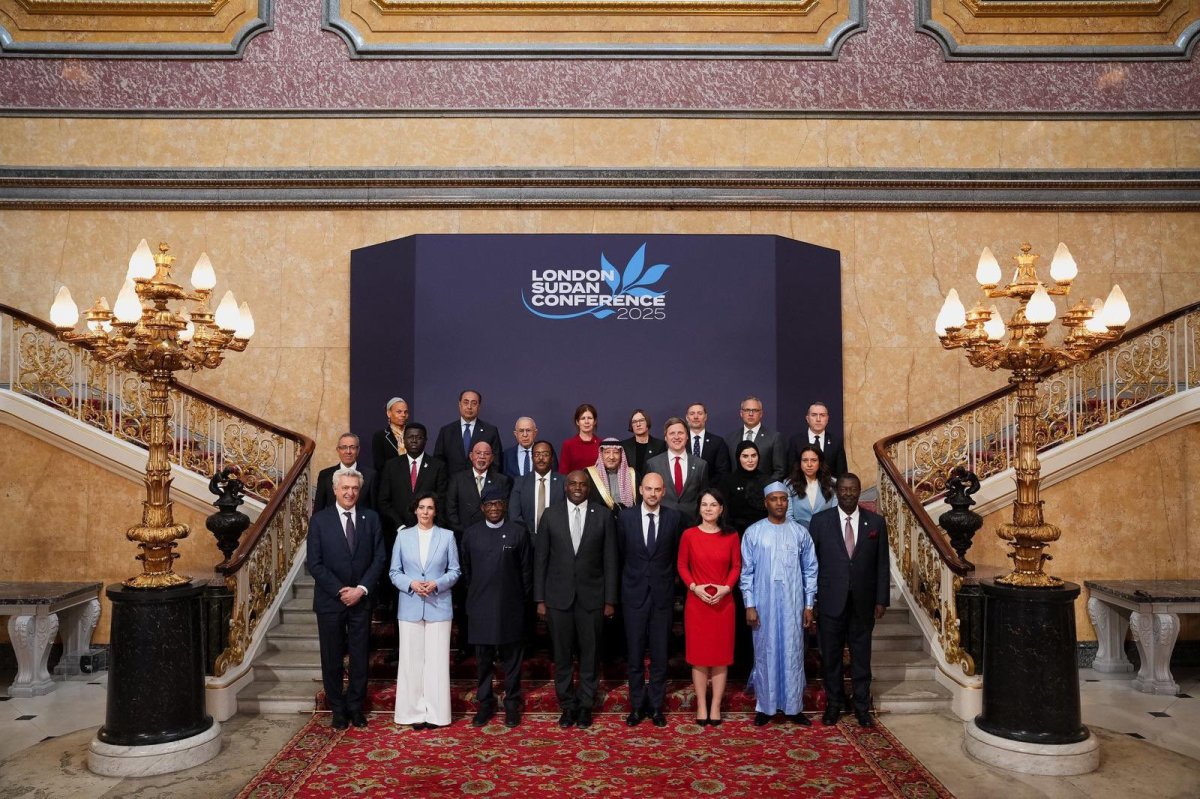
On April 15, 2025, British Foreign Secretary David Lammy is hosting a ministerial conference on Sudan in London, organised with Germany, France and the European Union. Lammy has vowed to make Sudan a foreign policy priority. The conference is billed as a follow-up to a similar conference in Paris a year earlier, which was co-hosted by the EU, France and Germany, all three of which will co-convene the London meeting with the UK as well. In contrast to Paris, there won’t be a humanitarian pledging element, nor will there be a parallel meeting of Sudanese civilian actors. Instead, the UK will convene around 20 foreign ministers and representatives of international organizations. Better coordination among this group is a central objective.

In doing so, the UK should reflect on the experience of previous coordination mechanisms on Sudan. For decades, the UK was itself part of the Troika (with the US and Norway), which supported negotiations to end Sudan’s Second Civil war and South Sudan’s path to independence in 2011, among other issues. However, the Troika doesn’t appear to be an appropriate grouping on Sudan any longer, given the drastic aid cuts by the US and the Trump administration’s disregard for multilateralism and preference of optics over lasting results.

After the fall of Sudan’s thirty-year dictator Omar al-Bashir in 2019, the UK was also part of the Friends of Sudan. This was an informal diplomatic group, co-founded by Germany and the US, whose primary purpose was to support Sudan’s transition process. Notably, it included also Egypt, the UAE, Saudi-Arabia, Qatar and the AU, among others. For a while, the Friends of Sudan met regularly at the level of Sudan envoys or senior officials, focusing mainly on coordinating the economic and financial support to the transitional government, including debt relief and setting up a cash transfer program for the parts of the population hit hard by the withdrawal of subsidies and high inflation. After the coup in October 2021, it lost its civilian Sudanese counterpart, and it petered out once the war started and the Sudanese authorities pushed out the UN mission – which had taken over a regular convening role of the Friends of Sudan – a few months later.

Key issues going forward

None of the mediation initiatives so far did have any major impact. Four points will be critical if any new diplomatic coordination mechanism is to even have the chance to influence events in Sudan. 

First, any high-profile conference on Sudan needs to have a link to Sudanese civilian actors. UK diplomats held meetings with Sudanese civil society in the Horn of Africa and the British Director General of African Affairs spoke with the authorities in Port Sudan to collect their perspectives. Still, Sudanese will always question the legitimacy of an international Sudan conference without any Sudanese present. The Paris conference organized a roundtable of around 50 people that represented different types of stakeholders, not just one civilian coalition. Attendees told me that they found it useful, because it had been rare for those diverse perspectives to be in the same room since the start of the war.

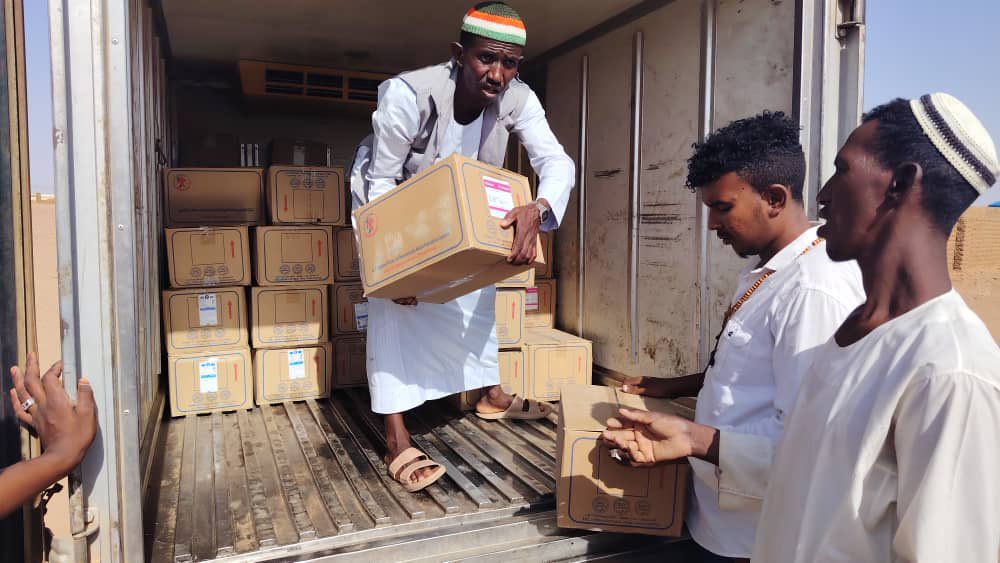
Second, any coordination mechanism resulting from the London conference should be nimble and relatively informal. There needs to be some agreement on who to include and how frequently to convene them, but perhaps not much more. It is unlikely to develop strong agency for joint actions. The main multilateral organizations – the UN, the AU, IGAD, perhaps the EU – should be in the lead, if they can be made to act jointly. Like-minded actors need to focus on tangible support to the Sudanese population, especially in light of the massive aid cuts by the US and other countries. While they won’t be able to fill all gaps, they should concentrate on stepping in to fully support the appeal of the Emergency Response Rooms, mutual aid networks. To function, this initiative would need 12 m USD per month, hardly any of which they have received so far. This won’t be enough – the UN appeals for Sudan and the neighboring countries are around 6 bn USD for 2025 – but the ERRs work particularly in areas hardly reached by international aid, where the risk of starvation is among the greatest.

Third, a new diplomatic group as well as the London conference should refrain from normalizing external interference. The Paris conference included a joint communiqué that urged “all foreign actors to cease providing armed support or materiel to the warring parties”. Egypt and the UAE signed this statement – yet, they have continued their support to SAF and RSF. If they were able to sign onto a similar statement, they could do so confident that a lack of commitment would remain without consequences. The foreign ministers present at the meeting should hold these foreign sponsors accountable for supporting warring parties. They should single out the UAE in particular because of their support to the RSF, as described by U.S. Senator Chris Van Hollen and Representative Sara Jacobs, citing a US government briefing. Just this weekend, the RSF captured Zam-Zam camp, Sudan’s biggest displacement camp, after besieging it and neighbouring El-Fasher for many months. The RSF operates advanced drones and artillery to attack El-Fasher and Zam-Zam camp, which it most likely acquired from abroad. 

Finally, those international actors that have not picked a side in Sudan’s devastating civil war should not do so now. Normalizing relations with SAF-led authorities in Port Sudan won’t help people trapped in RSF-held areas nor will it help end the war. Assembling in London, foreign ministers will call global attention to the catastrophe that is the war in Sudan. Outrage without any of these actions would just underline their collective weakness. It is time to take responsibility. 

Horn von Afrika: Die Zivilgesellschaft wird weiter geschwächt

Beitrag in: Nadine Biehler (Koord.), US ohne AID?, Berlin: Stiftung Wissenschaft und Politik, 04.04.2025 (360 Grad)

Am Horn von Afrika sind die USA bislang der größte Geber gewesen, sowohl in der klassischen Entwicklungszusammenarbeit als auch in der humanitären Hilfe. 45 Prozent der Mittel für die von den Vereinten Nationen (UN) koordinierte Hilfe für Sudan, die weltweit größte humanitäre Krise, kamen im vergangenen Jahr aus den USA. 

Hilfsorganisationen berichten, dass sie zwar Ausnahmen von den Kürzungen erhielten, die Mittel jedoch nicht bei ihnen ankommen, weil das Zahlungssystem von USAID nicht mehr funktioniert. Die Konsequenzen bekommt vor allem die Zivilbevölkerung zu spüren. Diese steht in einer von Konflikten, Klimaveränderungen, schwacher Infrastruktur und Repression geprägten Region ohnehin unter massivem Druck. Drei zentrale Folgen lassen sich identifizieren: 

Erstens wird die extreme humanitäre Not weiter steigen. In Sudan herrscht bereits jetzt in wahrscheinlich zehn Gebieten eine Hungersnot. Ohne zusätzliche Mittel dürfte sich die Hungersnot auf weitere Teile des Landes ausbreitenRund 30 Millionen Sudanes:innen sind auf humanitäre Hilfe angewiesen, aber nur ein Teil wird sie bekommen. Dies betrifft nicht nur Lebensmittel. In der äthiopischen Region Tigray zum Beispiel musste eine Organisation ihre psychosoziale Hilfe für Opfer sexueller Gewalt abrupt einstellen. Dies kann das Trauma der Überlebenden verstärken.

Zweitens drohen die US-Kürzungen, den zivilgesellschaftlichen Sektor am Horn von Afrika massiv zu schwächen. Dies betrifft nicht nur Organisationen in Feldern wie Gesundheit und Ernährung, sondern auch solche, die sich für Frieden, Menschenrechte und Demokratie einsetzen. So mussten in Äthiopien 85 Prozent aller zivilgesellschaftlichen Organisationen ihre Arbeit einstellen. In den vergangenen Monaten standen diese ohnehin unter Druck: Einigen wurde die Lizenz entzogen, andere wurden zeitweise verboten oder ihre Führung ausgetauscht. In Südsudan könnten 60 Prozent des Mediensektors kollabieren, einschließlich der Radiosender in lokalen Sprachen. Dies verschärft die ohnehin unzuverlässige Nachrichtenlage in einer Situation, in der falsche Gerüchte schnell bewaffnete Auseinandersetzungen anheizen.

Drittens könnte der Ausfall internationaler Unterstützung zwar langfristig die dringend nötige Lokalisierung humanitärer Hilfe beschleunigen – kurzfristig ist jedoch das Gegenteil der Fall. So mussten rund 80 Prozent der Gemeinschaftsküchen im Sudan, die von Selbsthilfenetzwerken mithilfe von US-Mitteln betrieben wurden, schließen. Die Diaspora unterstützt diese Netzwerke ebenfalls, kann den Wegfall aber kurzfristig nicht kompensieren. Europäische Geber, die ebenfalls ihre Mittel zurückfahren, sollten sich darauf konzentrieren, solche Selbsthilfenetzwerke und lokale Helfer stärker zu unterstützen. 

Horn of Africa: Time for preventive diplomacy

In both Ethiopia and South Sudan, conflicts are escalating again. To prevent further regionalisation of the conflict landscape, Europe should support high-level diplomacy, says Gerrit Kurtz.

SWP Point of View, 21 March 2025. Also available in German.

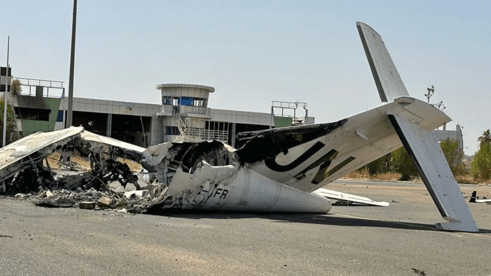
In the Horn of Africa, two peace processes are in acute danger: Local power struggles in South Sudan and Ethiopia’s Tigray region are at risk of escalating into regional crises. In South Sudan – as in 2013 at the beginning of the last civil war – a power struggle is raging over the possible successor to 73-year-old President Salva Kiir. He is already positioning his son-in-law as a potential replacement. At the same time, clashes between the White Army – a Nuer militia – and the South Sudanese army in the Upper Nile region are causing a stir after a United Nations helicopter was shot down and a high-ranking army general was killed.

During the civil war from 2013 to 2018, the White Army fought on the side of the main rebel group, the Sudan People’s Liberation Army/Movement-in Opposition (SPLA/M-IO) under today’s First Vice President Riek Machar. Tensions between Kiir and Machar are intensifying once again – a dangerous déjà vu for the country, which has barely had time to recover after decades of conflict.

Ethiopia: Split within the TPLF and growing tensions with Eritrea

In Ethiopia, a local power struggle in the Tigray region threatens to escalate into a regional crisis between the federal government in Addis Ababa and Eritrea. The Tigray People’s Liberation Front (TPLF) – once Ethiopia’s ruling party and the Ethiopian government’s opponent in the war between 2020 and 2022 – is divided: A faction led by chairman Debretsion Gebremichael is opposed by a reformist faction under the president of the Tigray Interim Regional Administration, Getachew Reda. 

The Debretsion faction has large parts of the Tigrayan military on its side and has been taking over local administrative structures for months, sometimes violently. In the meantime, it has also brought media and parts of the administration in the provincial capital, Mekelle, under its control. The TPLF’s Debretsion faction is said to have good relations with Eritrea, whereas Getachew is counting on Ethiopian Prime Minister Abiy Ahmed. Bilateral relations between Ethiopia and Eritrea have cooled markedly since the Pretoria Agreement, which ended the war between the TPLF and the government in 2022. Both countries are accused of supporting opponents of the other’s regime.

Due to the increasing tensions, there is a risk that there will be a regionalisation of the conflict landscape. Uganda has already sent troops to support the South Sudanese government, as it did in 2013. Similar to previous clashes, Sudanese actors are also intervening. Over the weekend, militias of the Rapid Support Forces in South Sudan were already fighting against units of the SPLA/M-IO, which were apparently on their way to receive weapons from the Sudanese Armed Forces.

Failure of the peace agreements – fragmented international engagement

The current escalations are no coincidence. The respective agreements to end the civil wars in South Sudan and Ethiopia have only been implemented to a limited degree. Unilateral deviations by both governments from their obligations have de facto prevailed. Kiir rapidly replaced cabinet members and had high-ranking generals of the SPLA/M-IO arrested. In Ethiopia, important measures of the Pretoria Agreement, such as the demobilisation of militias and the withdrawal of Eritrean and Amharic troops from Tigray, have largely failed to materialise. 

International engagement with the region is increasingly fragmented – as are the states of the region themselves. In Ethiopia, for example, there is a lack of credible guarantors for the peace process. At the recent extraordinary summit of the Intergovernmental Authority on Development (IGAD) on South Sudan, only two countries took part at the level of their president. Whereas the United States used to be the most important international partner for peace in the region, countries such as the United Arab Emirates, Saudi Arabia, and Turkey are now influential, but they tend to support certain sides rather than mediate in internal conflicts.

In view of the deteriorating situation, it is now time for high-level preventive diplomacy. A coordinated international approach could contain the escalation. An informal division of tasks would be conceivable: Influential countries such as Turkey and Saudi Arabia could defuse tensions at the intergovernmental level, while European actors could support IGAD and the African Union in local mediation processes.

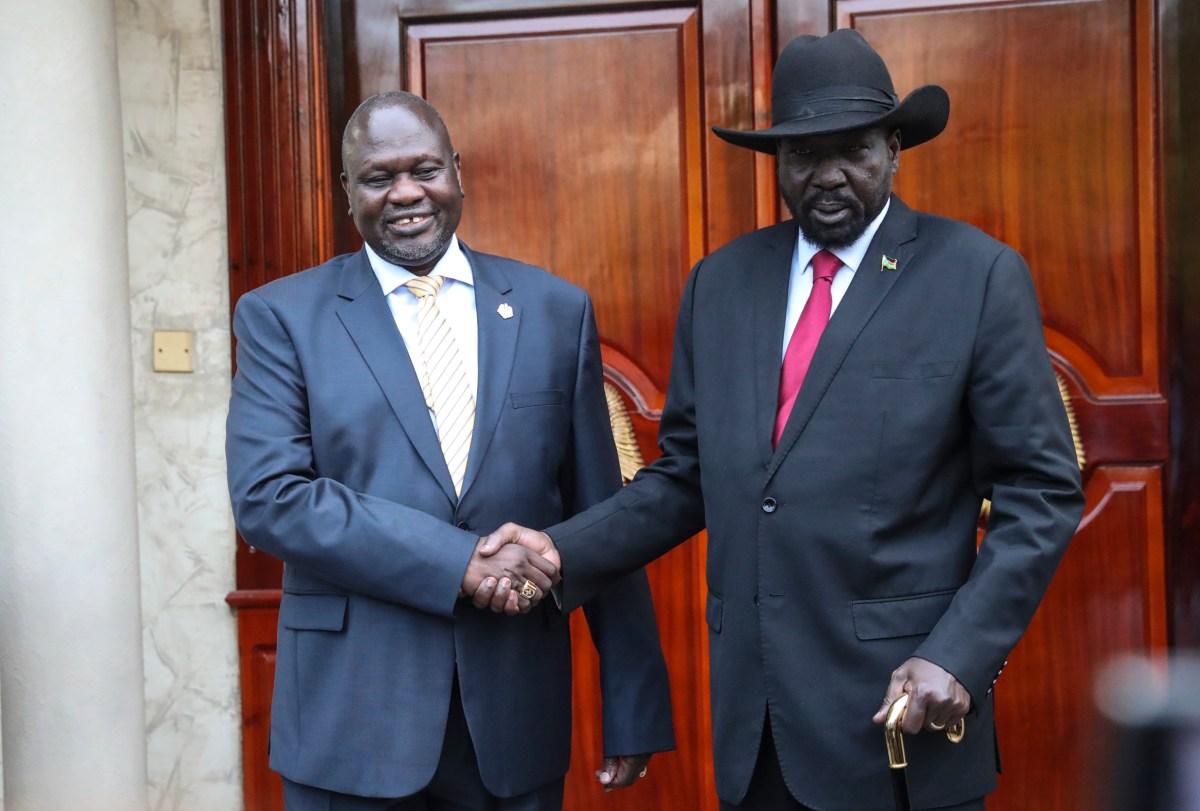
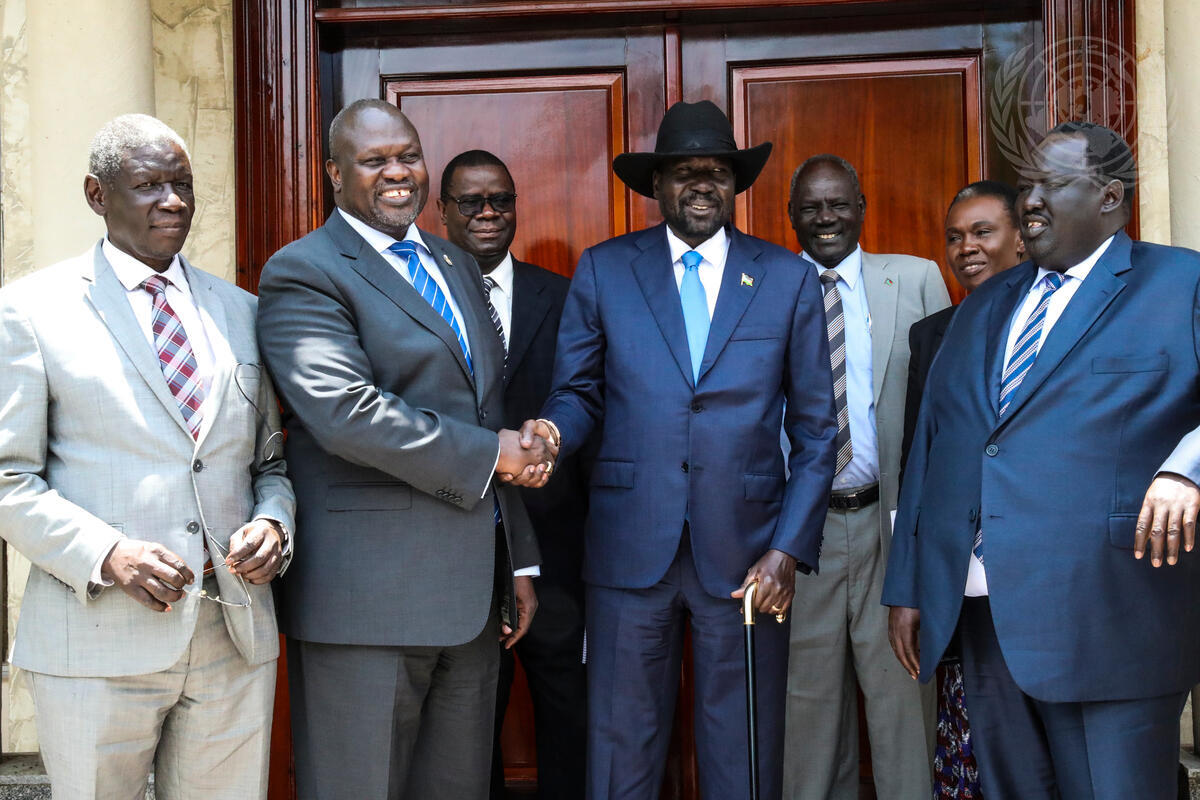
Picture: In better times in 2019, President Salva Kiir met the head of the SPLA/M-IO, Riek Machar, in Juba, to prepare the government of national unity. Source: UN Photo/Isaac Billy

The Myth of the Gamechanger: Drones and Military Power in Africa

Advanced combat drones are increasingly used in conflicts in Africa. This analysis of the conflicts in Mali, Chad and Sudan shows, their potential to shift the balance of military power between state forces and insurgents depends on symmetrical access to technology, type of warfare and topography.

Megatrends Policy Brief 33, 05.03.2025, zusammen mit Wolfram Lacher und Denis Tull

Medium-altitude long-endurance combat drones are increasingly appearing in armed conflicts in Africa. In contexts where governments have historically possessed little or no air power, some expect drones to change the balance of military power between state and non-state forces. But is this actually
the case? This Policy Brief examines the role played by drones in recent conflicts in Mali, Chad and Sudan, finding three aspects to be particularly relevant. Firstly, access: does one conflict party enjoy privileged access to drones and interception technology? Secondly, is the fighting regular or irregular? Are both sides holding territory and fighting on definable fronts, or is it a guerrilla war? Thirdly, is the terrain open or covered? Are the distances involved within the range of available drones? In Africa’s theatres of conflict these factors rarely combine in ways that allow one side to derive a major strategic advantage from the use of combat drones.

Photo: Likely Chinese-made MALE UAV on Nyala airfield, Sudan, January 2025. Source: Maxar/ Humanitarian Research Lab at Yale School of Public Health

Wie Militär die Zivilbevölkerung schützen kann

Rezension von Stian Kjeksrud (2023): Using Force to Protect Civilians. Successes and Failures of United Nations Peace Operations in Africa, OUP, in: Vereinte Nationen 1/2025, S. 45

Trotz mehr als zwei Jahrzehnten Praxis wissen wir wenig darüber, wie genau militärische Mittel die Zivilbevölkerung schützen können. Stian Kjeksrud versucht in seiner Dissertation auszudifferenzieren, was militärische Einheiten in UN-Friedensmissionen tun, wenn sie Zivilpersonen beschützen. Dabei greift Kjeksrud, der an der Militärakademie der norwegischen Streitkräfte lehrt und selbst als Soldat in UN-Missionen gedient hat, auf Erkenntnisse aus der Militärtheorie zurück. Aus militärischer Sicht ist der Schutz der Zivilbevölkerung (Protection of Civilians – PoC) noch eher neu, trainieren Militärs doch traditionell darauf, Operationen gegen einen bewaffneten Gegner durchzuführen. Viele verstehen unter PoC primär die Einhaltung des humanitären Völkerrechts, also die Vermeidung eines unverhältnismäßigen Einsatzes eigener Kräfte. Bei PoC im Sinne der UN geht es jedoch darum, Zivilpersonen vor der Gewalt anderer zu bewahren.

Kjeksrud zieht eine Kombination von quantitativen und qualitativen Methoden heran, um seine Forschungsfragen zu beantworten. Dafür hat er einen eigenen Datensatz erstellt, der 200 militärische Operationen in UN-Friedensmissionen umfasst, die PoC zum Ziel hatten und in der regelmäßigen UN-Berichterstattung über die Missionen erwähnt werden. Diese wertet er statistisch aus. Er ergänzt seine Analysen um zwei strukturierte Fallstudien: den Kampf der Interventionsbrigade als Teil der Stabilisierungsmission der Organisation der Vereinten Nationen in der Demokratischen Republik Kongo (United Nations Organization Stabilization Mission in the Democratic Republic of the Congo – MONUSCO) gegen die bewaffnete Gruppe ›M23‹ im Jahr 2013 und den Einsatz Gerrit Kurtz der Mission der Vereinten Nationen in Südsudan (United Nations Mission in South Sudan – UNMISS) Ende des Jahres 2011 im Bundesstaat Jonglei. Trotz des erheblichen Aufwands, den Kjeksrud bei der Datenerhebung und -auswertung betrieben hat, weist er durchgehend auf die äußerst begrenzte Datenlage und die dementsprechend begrenzte Aussagekraft seiner Ergebnisse hin, die nur einen Teil seiner Fälle erklären können.

Der Autor kommt zu dem Schluss, dass militärische Operationen Erfolge zeigen können, Zivilpersonen vor größerem Schaden zu bewahren. Die reine Truppenpräsenz in einem Land genüge jedoch nicht, gleichfalls mache es keinen Unterschied, ob die Truppen von traditionell risikoaversen Truppenstellerstaaten kommen oder nicht. Wichtig sei vielmehr, dass diese Einheiten präventiv eingesetzt würden und ihr Auftreten an der Operationsweise der jeweiligen bewaffneten Gruppe ausgerichtet sei. Es komme also darauf an, die Art der Gewaltausübung, die Motivation der bewaffneten Akteure und das taktische Vorgehen in der jeweiligen Situation zu analysieren.

Gleichwohl ergibt sich noch keine Theorie, wie Kjeksrud selbst zu bedenken gibt. In der Regel kommen weitere Faktoren hinzu. Dazu gehören die Mobilität und Flexibilität der Truppen in unwegsamem Gelände durch den Einsatz von Hubschraubern, die effektive Zusammenarbeit mit den Sicherheitskräften des Gastlands und die Verbindung mit zivilen Fähigkeiten. Auch wenn die Zeit der großen und komplexen Missionen zu Ende geht, ist Kjeksruds stark empirisch ausgerichtete Analyse wertvoll, weil sie einen Beitrag dazu leistet, die komplexe Kausalität militärischer Einsätze aufzuschlüsseln.

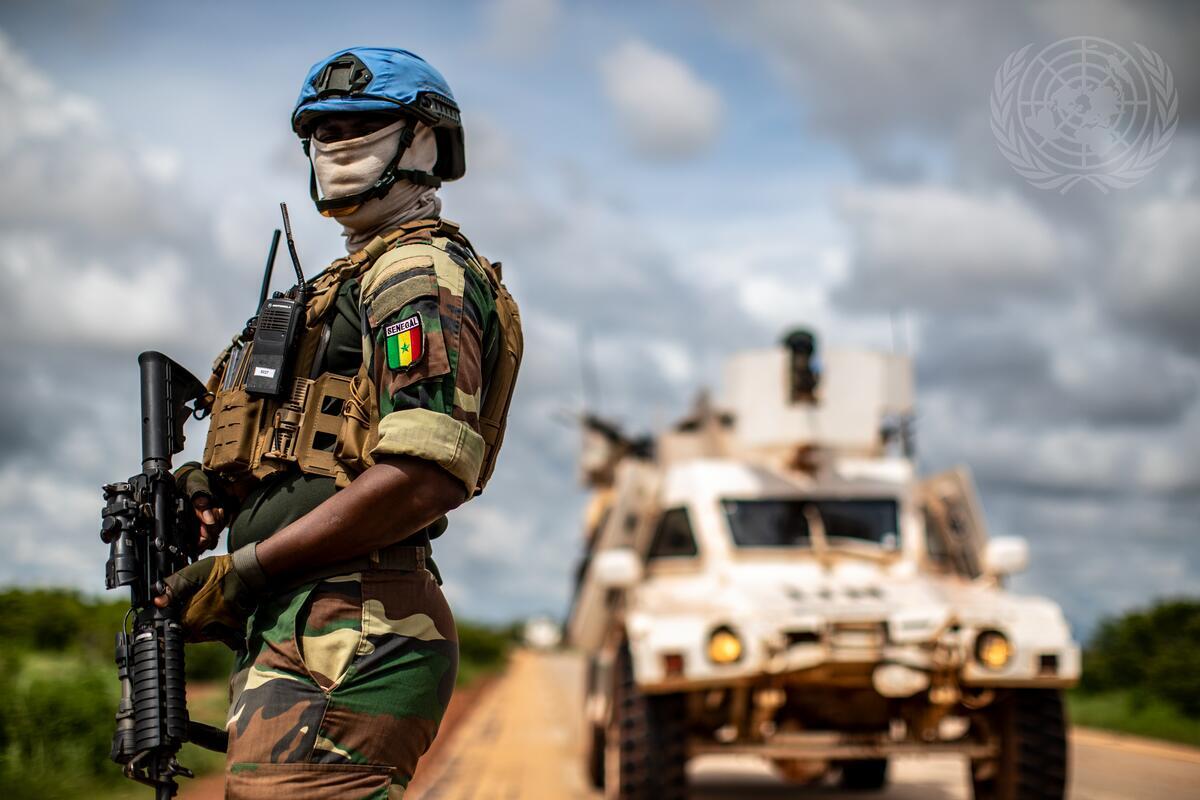
Photo: Quick Reaction Force of MINUSMA Hosts Base in Ogossagou in Mali, (c): UN Photo/Harandane Dicko

Peace in Sudan: a fresh mediation effort is needed – how it could work

Published on The Conversation Africa, 28 January 2025

Intense fighting has ravaged Sudan since 15 April 2023. The war between the Sudanese Armed Forces and its erstwhile comrades-in-arms, the paramilitary Rapid Support Forces, has created one of the worst humanitarian crises in the world. Famine, displacement and mass atrocities are wreaking havoc in the country.

International mediation efforts have been lacklustre and fruitless. The United Nations security council has been preoccupied with other crises and blocked by its own divisions. The African Union has created diplomatic groups, a high-level panel and a presidential committee, none of which has been particularly active. It has been very slow in tackling the political process it wanted to lead.

The US and Saudi Arabia convened several rounds of talks, first in Jeddah, then in Switzerland. The Sudanese Armed Forces delegation failed to turn up in Switzerland. The Rapid Support Forces expressed willingness to talk peace, while simultaneously committing sexual and gender-based violence on a massive scale. The Biden administration only lately slapped sanctions on the top leaders of both forces, Abdelfattah al-Burhan and Mohamed Hamdan Dagalo (also known as Hemedti).

I have studied civil wars, mediation and peacebuilding for more than 12 years, with a focus on Sudan, including regular visits to the country and the region in the past five years. Based on this experience I have identified five reasons why mediation has failed. These are: the resistance of the conflict parties based on the dynamic nature of the war; continued military and financial aid by their external sponsors; as well as mediation attempts that were too narrow, not viewed as impartial, and lacking in coherence.

Clearly, a new approach to mediation is needed, not simply a new mediator. Turkey has recently offered to lead talks between the Sudanese Armed Forces and the United Arab Emirates, the main backer of the Rapid Support Forces, but Egypt, Kenya and several multilateral organisations also keep looking for opportunities.

Any new initiative will have to have certain components if it’s going to succeed:

  • political parameters, ideally set by a parallel civilian political process, of what might come next for Sudan should guide mediators
  • negotiations should take place in secret so that trust can be established
  • back channel communications networks must be established with potential spoilers without ceding undue legitimacy to them
  • a gender- and youth-inclusive approach
  • more effective international coordination
  • consistent pressure on the conflict parties and their external backers.

Why previous mediation efforts failed

Firstly, neither the Sudanese Armed Forces nor the Rapid Support Forces have shown significant willingness to stop hostilities.

The military fortunes of the two sides has waxed and waned. As long as either side feels successful militarily, they are unlikely to commit to sincere negotiations. Outright military victory leading to control of the whole territory (and its borders) remains out of reach for all.

Secondly, their respective allies have not shown any particular interest in peace.

External actors have provided military support to the warring parties, and helped finance them. The UAE is the main sponsor of the Rapid Support Forces. The Sudanese Armed Forces cooperates with Egypt, Eritrea, Iran and Russia, for arms deliveries and training. The UAE promised the US to stop supporting the Rapid Support Forces, but the arms flows continued.

Thirdly, some conflict management efforts were based on a flawed conflict analysis. There were attempts to organise a face-to-face meeting between Hemedti and Burhan, by the Intergovernmental Authority on Development and the African Union. But the war is not primarily a contest of “two generals”. Neither Hemedti nor Burhan has full control of their forces. Nor is a renewed military government acceptable to large parts of Sudan’s vibrant civil society.

Fourth, mediation efforts suffered because some of the parties saw them as lacking impartiality. Sudanese Armed Forces leaders don’t trust Kenya, whose President William Ruto is closely aligned with the UAE and has, until recently, allowed the Rapid Support Forces to conduct meetings and a press conference in Nairobi. Kenya was supposed to lead the Intergovernmental Authority on Development quartet of mediators, which never really got off the ground. Similarly, Sudan remains suspended from the African Union.

Finally, there was a competition of mediation platforms, allowing the warring parties to shop for the most convenient forum for them.

What a path to a ceasefire might look like

International attention is currently focused on Turkish president Recep Erdogan, who has offered to mediate between the Sudanese Armed Forces and the UAE. The Sudanese Armed Forces has harshly criticised the UAE for its support to the Rapid Support Forces. The offer, then, is based on the assumption the UAE might actually cease that support.

Any new approach should differ from previous efforts.

  • Mediators should provide a broad sense of political parameters for a post-war (interim) order, ideally with strong input from Sudan’s civilian groups. Those could include a conditional amnesty as well as assurances of personal safety for the top military leaders and of some stake in a transitional period, without promising any blanket impunity or renewed power-sharing.

But international mediators should grant the warring parties political recognition and legitimacy only in exchange for feasible concessions.

  • Negotiations should take place in secret, allowing confidential exchanges between declared enemies. This is particularly important for the Sudanese Armed Forces given the rivalry among its leadership.
  • Back channel communications should be established to all actors with real constituencies in Sudan, without empowering them unnecessarily. Turkey is well-placed to reach out to senior members of the previous (Bashir) regime who have found exile there. They control large parts of the fighting forces on the side of Sudanese Armed Forces and could prove to be a major spoiler. The armed groups in the so-called “joint forces” would also need to feel somewhat included.
  • Mediators should find ways to include a broad array of civilian actors, in particular women and youth groups. Instead of only targeting “men with guns”, a peace process should be gender-inclusive.
  • Any lead mediator should keep other interested parties such as the EU, the UK, Norway, and the other countries and organisations already mentioned, informed and engaged.
  • Pressure should be kept up by the US, UK and EU on external backers of the two main warring parties, and target both military and financial flows. Policies, including further targeted sanctions, should be as aligned as possible.

Preparing for a window of opportunity

There’s no guarantee that the violence would cease even if these conditions were met. The main belligerents are likely to continue their current offensives. The Sudanese Armed Forces will try to oust the Rapid Support Forces from central Khartoum completely. The Rapid Support Forces will keep trying to take El Fasher, the only capital in Darfur not under their control.

The impending re-capture of Khartoum by the Sudanese Armed Forces may provide an opportunity for a new round of talks, if it comes with consistent international pressure. Mediators should be ready to push for an end to the fighting.

Horn von Afrika: Geopolitische Folgen

Erschienen in: Nicolai von Ondarza, Azadeh Zamirirad (Koord.), Perspektiven auf Trump II aus Europa, Nahost und Afrika, Berlin: Stiftung Wissenschaft und Politik, 20.01.2025 (360 Grad)

Am Horn von Afrika erhoffen sich einige Akteure, die Gunst der kommenden US-Administration für ihre jeweilige Agenda zu gewinnen. Transaktionale, kurzfristig orientierte Politik, die Donald Trump oft zugesprochen wird, ist hier bereits weit verbreitet. Dabei dürfte die neue US-Regierung diese Region primär vor dem Hintergrund ihrer globalen Konkurrenz mit China sowie als Fortsetzung der eigenen Nahostpolitik betrachten. Das schließt die enge Zusammenarbeit mit Ländern wie den Vereinigten Arabischen Emiraten (VAE), Ägypten und Saudi-Arabien ein, die eine zentrale Rolle am Horn von Afrika spielen. Die VAE haben beispielsweise massiv in Äthiopien, Somaliland und die sudanesischen Rapid Support Forces (RSF) investiert.

In Äthiopien unterstützten die USA während der ersten Präsidentschaft von Trump den damals neuen Premierminister Abiy Ahmed so klar, dass dieser sich ermutigt fühlen konnte, kompromisslos gegen die frühere Regierungspartei der Tigray People’s Liberation Front (TPLF) vorzugehen. Die von den Golfmächten geförderte Zusammenarbeit zwischen Abiy und Eritrea spielte dabei ebenfalls eine wichtige Rolle. Unter Biden spielten die USA eine wesentliche Vermittlungsrolle, um den Krieg zwischen der TPLF und der äthiopischen Regierung zu beenden und den Friedensprozess zu begleiten. Diese könnte jetzt zurückgefahren werden.

Somaliland hofft, von der neuen US-Regierung als völkerrechtlich unabhängig von Somalia anerkennt zu werden. Mehrere Republikaner befürworten einen entsprechenden Schritt. Eine Passage im »Project 2025« konservativer Organisationen verweist ebenfalls auf die Möglichkeit, Somaliland anzuerkennen. Eine größere militärische Zusammenarbeit mit Somaliland sollte in dieser Argumentation dem wachsenden chinesischen Einfluss im benachbarten Dschibuti Rechnung tragen, wo sowohl die USA als auch China eine Militärbasis betreiben. Gleichzeitig gibt es im republikanischen Lager Vorbehalte gegenüber der bisherigen militärischen Unterstützung der somalischen Regierung in Mogadischu. 

Die sudanesischen Streitkräfte, die sich seit April 2023 im Krieg mit den RSF befinden, bemühen sich um die Anerkennung als legitime Regierungsvertretung durch die USA. Auch hier gibt es Sympathien im republikanischen Lager. Allerdings müssten sich die Streitkräfte dafür wahrscheinlich von ihren aktuellen Verbündeten Iran, Russland und der Sudanesischen Islamischen Bewegung distanzieren. In jedem Fall müsste Washington die gegensätzlichen Einflüsse seiner Partner in Kairo und Abu Dhabi ausbalancieren. Die mangelnde Rücksichtnahme und teilweise offene Parteinahme der neuen Trump-Administration könnten somit die Spannungen am Horn von Afrika weiter verschärfen. 

Sudan: Schwer zu vermitteln

Der Krieg in dem nordafrikanischen Land steht für die Krise internationaler Konfliktbearbeitung. Aus Sicht Deutschlands, das diplomatische Ansätze stets unterstützt, sind das schlechte Nachrichten.

Internationale Politik 1/2025, erschienen am 30.12.2024.

(Photo: US Sondergesandter Tom Periello trifft SAF Führer Abdelfattah al-Burhan, Port Sudan, 18.12.2024)

Nirgends sind mehr Menschen vertrieben (über 14 Millionen), nirgends leiden mehr Menschen Hunger (über 25 Millionen) als im Sudan. Im Land herrscht die größte humanitäre Krise weltweit. Nur etwa jedes zehnte Kind hier hat seit Kriegsbeginn eine Schule besucht, rund zwei Drittel der Bevölkerung haben keinen Zugang zu medizinischen Einrichtungen. Sexuelle Gewalt wird als Waffe eingesetzt, und das so systematisch und brutal, dass einige Frauen eher Suizid begehen, als sich ihr auszuliefern.

Am 15. April 2023 begann der Krieg in der Hauptstadt Khartum und weitete sich noch am selben Tag auf andere Landesteile aus. Lange schwelende Spannungen zwischen der regulären Armee, den Sudanese Armed Forces (SAF), und den paramilitärischen Rapid Support Forces (RSF) eskalierten. Eigentlich hatten beide Parteien zugesagt, nach einem gemeinsamen Putsch im Oktober 2021 die Macht an eine zivile Regierung abzugeben. Doch sie konnten sich nicht darauf einigen, wie ihr künftiges Verhältnis aussehen und in welchem Tempo die RSF integriert werden sollten. Nun offenbaren sich im Krieg die tiefen Gräben innerhalb des Landes.


Wettbewerb der Vermittler

Internationale Bemühungen, den Krieg zu beenden, begannen kurz nach Ausbruch der Kämpfe. Es entwickelte sich geradezu ein Wettbewerb zwischen den Initiativen unterschiedlicher Vermittler. Doch keine von ihnen brachte substanzielle Ergebnisse. 

Der Krieg spiegelt damit auch eine Krise der bestehenden Mediationsansätze wider und zeigt die Dysfunktionalität multilateraler Formate. Aus deutscher Perspektive ist das insofern besonders bedauernswert, als die Bundesregierung traditionell darauf setzt, internationale Organisationen zu unterstützen, die ein Mandat zur Konfliktbearbeitung haben, statt sich selbst in den Vordergrund zu spielen.

Weder die Initiativen von Institutionen wie den Vereinten Nationen, der Afrikanischen Union oder der regionalen Intergovernmental Authority on Development noch die der USA, Saudi-Arabiens und anderer Staaten waren im Sudan bislang von Erfolg gekrönt. 

Natürlich hat das viel mit der verfahrenen Situation im Land zu tun. Es ist aber auch darauf zurückzuführen, dass alle diese Initiativen immer wieder unter ihren Möglichkeiten geblieben sind; weil sie den Konflikt nicht tiefgehend genug analysierten, weil sie sich Illusionen über die Möglichkeit eines Verhandlungsdeals machten oder weil sie einseitig agierten. Hinzu kommt, dass die internationalen Organisationen durch geopolitische Spannungen geschwächt sind und – auch das ist ein Teil der Wahrheit – oft eine außer­ordentliche Trägheit an den Tag legen. 

Für eine politische Vermittlung auf Ebene der Vereinten Nationen blieb nach dem Ende der politischen Mission UNITAMS im Februar 2024 nur noch der persönliche Sondergesandte des UN-Generalsekretärs für den Sudan, Ramtane Lamamra. Dieser übt sein Mandat in Teilzeit aus, verfügt über einen nur sehr kleinen Mitarbeiterstab und hat kaum Mittel für eigene programmatische Aktivitäten. 

António Guterres legte Ende Oktober 2024 dem UN-Sicherheitsrat einen Bericht mit Empfehlungen zum Schutz der Zivilbevölkerung im Sudan vor. Diese waren jedoch sehr zurückhaltend formuliert. Ein eher SAF-freundlicher Resolutionsentwurf von Großbritannien und Sierra Leone zum Thema scheiterte im November 2024 an einem Veto Russlands; vermutlich, weil Moskau London wegen dessen Unterstützung der Ukraine Steine in den Weg legen wollte. 

Die Afrikanische ­Union (AU) ihrerseits schaffte es vergleichsweise schnell, eine Kontaktgruppe für den Sudan zu bilden, berief diese allerdings nur unregelmäßig ein. Die SAF lehnt die AU ohnehin als Vermittlerin ab, solange der Sudan wegen des Putsches vom Oktober 2021 suspendiert bleibt. Folglich wollte sich die AU darauf konzentrieren, einen politischen Prozess mit Vertretern der Zivilgesellschaft zu organisieren. Doch auch hier gab es jede Menge Verzögerungen. Die AU ernannte zwar eine hochrangige Vermittlungsgruppe. Nach zwei Vorbereitungstreffen mit unterschiedlichen sudanesischen Gruppen im Juli und August 2024 wurde die geplante Konferenz jedoch immer wieder verschoben, zur großen Frustration der beteiligten politischen Parteien.

Bleibt noch die Intergovernmental ­Authority on Development (IGAD). Vor rund zehn Jahren hatte sie eine Führungsrolle bei den Friedensverhandlungen im Südsudan gespielt; jetzt aber kam sie auch nicht recht voran. Die Organisation der Staaten am Horn von Afrika ernannte ein Verhandlungsquartett unter Führung Kenias (mit Äthiopien, Dschibuti und dem Südsudan) sowie einen Sondergesandten für den Sudan. 

Ihr Vorschlag, ein persönliches Treffen zwischen SAF-Führer Abdelfattah al-Burhan und RSF-Führer Mohamed Hamdan Dagalo, genannt Hemedti, zu arrangieren, scheiterte jedoch an der Weigerung Burhans. Als sich die IGAD-Staatschefs schließlich nur mit Hemedti im Januar 2024 in Kampala trafen, nahmen die SAF das zum Anlass, die Mitgliedschaft des Sudan auszusetzen.


Ausbeutung und Autokratie

Sudanesische Gesprächspartner betonen immer wieder, dass jede Anstrengung, den Krieg zu beenden, die historische Krise des Staates im Sudan als Ausgangspunkt nehmen muss. Doch genau an so einer gemeinsamen Problemdefinition fehlt es vielen der internationalen Vermittler.

Sowohl die IGAD als auch die AU bemühten sich explizit um ein persönliches Treffen von Burhan und Hemedti. Die Idee, es handele sich im Sudan um einen bloßen Machtkampf zweier Generäle, ist jedoch so irreführend wie zu kurz gegriffen. SAF und RSF bilden vielmehr die Spitzen von Koalitionen bewaffneter Kämpfer, über die sie keine vollständige Kontrolle haben.

Burhan erklärte im Mai 2024, dass drei Viertel der Kämpfer auf Seiten der Armee Freiwilligenverbände seien. Diese stehen oft unter dem Einfluss der Netzwerke des früheren Bashir-Regimes und agieren halbautonom. Hinzu kommen diverse bewaffnete Gruppen sowie zahlreiche ausländische Söldner auf beiden Seiten. Sollte Burhan einen Waffenstillstand unterschreiben, könnte er schnell von einem seiner Konkurrenten innerhalb der Armee entmachtet werden.


13 Jahre zivile Herrschaft

Seinem Wesen nach ist der Konflikt ohnehin ganz grundsätzlicher Natur: Es geht um die Frage, wie Staat und Gesellschaft sich zueinander verhalten sollen. Der Sudan ist seit Langem geprägt von der Ausbeutung der Peripherie durch Eliten im Zentrum des Landes. Die Geschicke des Landes werden im Sicherheitssektor entschieden – mit drei kurzen Ausnahmen seit 1958: 1964, 1985 und 2019 sorgten Volksaufstände, gepaart mit einer Unzufriedenheit von Teilen des Regierungs­apparats, für insgesamt 13 Jahre mehr oder weniger ziviler Herrschaft. Der Klimawandel verstärkte den Zulauf zu bewaffneten Aufständischen, weil weite Flächen, die vorher für Ackerbau oder nomadische Viehzucht genutzt wurden, in den vergangenen 40 Jahren brach fielen, insbesondere in Darfur.

Um Aufstände zu bekämpfen, setzte die sudanesische Regierung auf die Rekrutierung, Ausbildung und Bewaffnung von oft ethnisch definierten Milizen. Präsident Omar al-Bashir, der 1989 mittels eines Putsches an die Spitze einer islamistisch-militärischen Regierung gelangte, versuchte immer wieder, Rebellionen zu spalten, indem er abtrünnige Führer und deren Gruppen unterstützte, ob im Süden oder in Darfur. Aus einer Gruppe der Dschan­dschawid-Milizen aus Darfur entstanden schließlich die Rapid Support Forces.

Der heutige Machtkampf ist das Produkt dieses Musters von Ausbeutung, Aufstandsbekämpfung, Militarisierung und autokratischer Herrschaftssicherung. Gleichzeitig treibt der Krieg die Fragmentierung des Landes weiter voran. Es entstehen neue bewaffnete Gruppierungen, die den Krieg als Gelegenheit sehen, historisches Unrecht zu begleichen oder sich zu bereichern.


Viele Gespräche, wenig Ertrag 

Neben den multilateralen Initiativen gab es von Saudi-Arabien und den USA organisierte Gespräche mit den SAF und den RSF im saudischen Dschidda im Mai und im November 2023. Im Januar 2024 fanden zudem hochrangige Gespräche zwischen SAF und RSF in Bahrain statt, und im August 2024 luden die USA zu Waffenstillstandsgesprächen in die Schweiz ein. 

Unterschrieben SAF und RSF in der ersten Runde in Dschidda noch eine – nie umgesetzte – gemeinsame Erklärung zum Schutz der Zivilbevölkerung, so wurde es danach immer schwieriger, die beiden Parteien dazu zu bekommen, gemeinsame Erklärungen zu unterzeichnen oder überhaupt an einen Tisch zu kommen. Diese Initiativen konzentrierten sich auch deshalb auf die Kriegsparteien RSF und SAF, weil die USA und andere Vermittler dringend Ergebnisse erreichen wollten. Es war klar, dass es viel Geduld und Zeit brauchen würde, bis lokale Friedensbemühungen Früchte tragen würden oder bis eine gemeinsame zivile Plattform etabliert wäre, die eine glaubwürdige Alternative zur Gewalt bieten könnte. 

Weder RSF noch SAF lassen derzeit eine ernsthafte Bereitschaft erkennen, 
Waffenstillstands­gespräche zu führen

Doch das Ausmaß der humanitären Krise, das Nachlassen der politischen Aufmerksamkeit und die Suche nach einem schnellen Erfolg gerade mit Blick auf die ablaufende Amtszeit der US-Regierung sorgten dafür, dass die ­Vermittler eher kurzsichtige Ansätze verfolgten. Weder RSF noch SAF lassen derzeit eine ernsthafte Bereitschaft erkennen, Waffenstillstandsgespräche zu führen. Die RSF stellen sich dabei gern als Kraft dar, die an den bisherigen Initiativen konstruktiv mitgewirkt habe, während die Gegenseite sich entweder zurückgezogen habe oder gar nicht erst erschienen sei. Da ist zweifelsohne etwas dran – doch ist auch auffällig, dass es bereits mehrfach zu einem Anstieg von Gräuel­taten der RSF im Sudan kam, während ihre Verhandlungsdelegationen gerade in Konferenzräumen saßen. Die Eroberungsfeldzüge der RSF strafen ihre Rhetorik, sie würden sich nur verteidigen, Lügen.

Solange sich eine in dieser Hinsicht unglaubwürdige Konfliktpartei wie die RSF für Frieden und Demokratie einsetzt, untergräbt das die Konzepte selbst. Sich für Frieden einzusetzen, gilt bei vielen Sudanesen mittlerweile als Pro-RSF-Position. Ein verhandeltes Abkommen, das die RSF zunächst weiter bestehen ließe, wird auch über die Kreise der SAF und ihrer islamistischen Verbündeten hinaus abgelehnt. 

Die meisten Mediationsformate legitimieren notwendigerweise diejenigen, die ihre Ziele mit Gewalt erreichen wollen. Positionen, die im zivilen politischen Betrieb nicht durchsetzbar waren, werden dort zur Verhandlungsmasse. Doch die Rücksichtnahme auf die Interessen der Sicherheitskräfte ist ja gerade eine zentrale Ursache für die Eskalation der Gewalt im Sudan. 

Vertreter der sudanesischen Zivilgesellschaft und einige der beteiligten Diplomaten kritisierten im Nachhinein, dass es nach Etablierung der Übergangsregierung 2019 und nach dem Putsch zwei Jahre später nicht genügend Druck auf die Sicherheitskräfte gegeben habe. So strichen internationale Geber nach dem Putsch zwar einige Gelder, konnten sich aber kaum auf gezielte Sanktionen gegen die Generäle einigen, die auf die Zehntausenden von Demonstranten schießen ließen.

Problematische Parteinahme

Mittlerweile gewinnen die regulären Sudanese Armed Forces auch international an Akzeptanz. Schließlich kontrollieren diese die Ministerien, die sich in den ersten Kriegsmonaten nach Port Sudan am Roten Meer zurückgezogen hatten. Die Rapid Support Forces machen ihrerseits vor allem mit ihrer brutalen Gewalt auf sich aufmerksam. Nicht nur viele afrikanische Staaten, auch die Vereinten Nationen betrachten die SAF-kontrollierten Ministerien als offizielle Vertretung des Sudan. 

Umgekehrt bleibt das Land seit dem Putsch von 2021 aus der Afrikanischen Union ausgeschlossen. Zwar gibt es mittlerweile in mehreren von den RSF kon­trollierten Bundesstaaten Regierungen, doch existiert derzeit keine alternative Regierung auf nationaler Ebene, die internationale Anerkennung finden könnte. Aus moralischen, völkerrechtlichen oder geopolitischen Motiven scheint der Gedanke nahe zu liegen, die RSF zu verdammen und gleichzeitig den Rest von Staatlichkeit in Port Sudan zu stärken.

Die Armee ist in den
30 Jahren unter 
Präsident Bashir ebenso 
systematisch von der 
Islamischen Bewegung ausgehöhlt worden wie der übrige Staatsapparat

Das wäre jedoch ein Trugschluss. Schlimmer noch: Eine solche Parteinahme würde die Chancen auf eine friedliche Beilegung des Krieges weiter schmälern. Denn bei genauerem Hinsehen teilen die Armee und die Paramilitärs gewisse Ähnlichkeiten. Die RSF sind nicht als Rebellengruppe entstanden, sondern waren zu Beginn des Krieges eine reguläre Sicherheitskraft. Hemedti selbst war seit 2019 Stellvertreter Burhans im Souveränitätsrat und trat quasi als Vizepräsident auf. 

Die Armee ist in den 30 Jahren unter Präsident Bashir ebenso systematisch von der Sudanesischen Islamischen Bewegung ausgehöhlt worden wie der übrige Staatsapparat. Sie repräsentiert in ihrer Führung keineswegs die Vielfalt des Landes. Es mag sein, dass die RSF für deutlich mehr Gewalt gegen die Zivilbevölkerung verantwortlich sind. Doch die SAF bombardieren ebenfalls Märkte, Krankenhäuser und Wohngebiete, verüben Massaker und verhaften auf der Grundlage eines rassistischen Gesetzes systematisch Menschen, deren Aussehen oder Namen auf eine Verbindung zu arabischen Gruppen im Westen schließen lässt. Und während die RSF von Waffenlieferungen aus den Vereinigten Arabischen Emiraten profitieren, paktiert die Armee mit Ägypten, dem Iran und Russland.

Legitimität ist zudem ein zentrales Druckmittel für Verhandlungen, das man nicht leichtfertig aus der Hand geben sollte. Noch in Dschidda hatten RSF und SAF es akzeptiert, als reine Militärs zu verhandeln. In der Schweiz im August 2024 hätten die SAF als Regierung des Sudan auftreten wollen und hatten unter anderem deshalb keine Delegation geschickt, weil sie das nicht durften. Bei seinem Besuch in Port Sudan im November bezeichnete der US-Sondergesandte Tom Perriello jedoch Burhan als Präsidenten des Souveränitätsrats und hob ihn damit auf eine höhere Stufe als die RSF. Der UN-­Sicherheitsrat übernahm diese Formel.


Was zu tun wäre

Damit zukünftige Vermittlungen für ein Ende der Gewalt im Sudan erfolgreicher verlaufen können, sollten alle Beteiligten ihre Lehren aus den bisherigen Erfahrungen ziehen. Wenn wir uns das Ausmaß der Vertreibung, Polarisierung und bewussten Instrumentalisierung des sozialen Gefüges anschauen, dann deutet alles darauf hin, dass der Krieg noch Jahre andauern wird. Ein militärischer Sieg einer Seite ist nicht abzusehen. Die implizite oder explizite Anerkennung gegenseitiger Einflusssphären erscheint wahrscheinlicher, während bewaffnete Auseinandersetzungen vor allem im Zentrum und Süden des Landes anhalten könnten. Wer nur mit SAF und RSF verhandelt, wird jedoch keinen stabilen Frieden erreichen.

 Frauen und junge Menschen, die Treiber der 
Proteste seit 2018, ­können wichtige Kräfte 
der ­Veränderung sein

Entscheidend wird es sein, jegliches Friedensengagement langfristig, strukturiert und differenziert anzulegen. Dafür sollten Vertreter der sudanesischen Politik und der Zivilgesellschaft die Führung übernehmen und international unterstützt werden. Die Förderer und Vermittler sollten die vielfältige und stark polarisierte zivile Szene dabei nicht unter Druck setzen, sich auf eine einzige Plattform zu einigen. Die „Taqaddum“ genannte Koalition unter Vorsitz des ehemaligen Premierministers Abdalla Hamdok etwa genießt nur wenig Vertrauen in der Bevölkerung.

Wichtig wäre es, lokale Initiativen für den Schutz ziviler Infrastruktur oder einzelner Orte zu unterstützen. Frauen und junge Menschen, die Treiber der Proteste seit Dezember 2018, sollten nicht als bloße optionale Zusätze zu Verhandlungen ge­sehen werden, sondern als wichtige Kräfte der Veränderung. So retten Freiwilligennetzwerke gerade dort viele Leben, wo internationale Hilfe nicht hingelangt. Mit ihren Suppenküchen und Versorgungsangeboten tragen sie auch zum sozialen Zusammenhalt bei.

Darüber hinaus sollten die Bundesregierung und ihre europäischen Partner die externen Unterstützer der ­Konfliktparteien stärker unter Druck setzen und ­genauer bei einigen Themen hinschauen, die (auch) den Sudan betreffen. So sollten sie sich dafür einsetzen, den Goldhandel aus kleinen Minen stärker zu regulieren, internationale Geldwäschestandards strenger anzuwenden und den Endverbleib von Militärgüterlieferungen penibler zu kontrollieren. Des Weiteren sollten die Einhaltung von Menschenrechtsstandards bei europäischen Migrationspartnerländern wie Ägypten und Tunesien strenger angemahnt werden und mehr Staaten und Personen auf die europäischen Sanktionslisten gesetzt werden. 

Im Krieg im Sudan sollten die Euro­päer sich nur auf eine Seite stellen: auf die der mutigen Frauen und Männer, die weiterhin mit gewaltfreien Mitteln eine lebenswerte Zukunft schaffen wollen.  

Milliarden aus dem Goldhandel finanzieren den Krieg

In Sudan tobt ein grausamer Krieg, doch die Weltgemeinschaft und Deutschland sollten nicht tatenlos zusehen. Sie müssten den Konfliktparteien ihre wichtigste Finanzierungsquelle nehmen.

Gastbeitrag bei FAZ Weltwirtschaft Pro, zusammen mit Wibke Hansen und Judith Vorrath, 18.Dezember 2024

In Sudan spitzt sich die Lage zu: Die sudanesischen Streitkräfte (SAF) und die Rapid Support Forces (RSF), die beiden Hauptkonfliktparteien, haben mit dem Ende der Regenzeit im Herbst neue Offensiven gestartet. Beide Konfliktparteien verstoßen dabei gegen grundlegende völkerrechtliche Schutzverpflichtungen. Die SAF bombardieren unterschiedslos ihre Gegner sowie dicht besiedelte Wohngebiete, Märkte und weitere zivile Infrastruktur. Die RSF greifen gezielt Menschen nicht arabischer Herkunft an, setzen ihre Dörfer in Flammen, morden und vertreiben.

Sie nutzen zudem massenhaft sexualisierte Gewalt als Waffe, plündern und zerstören Lebensgrundlagen der Bevölkerung. Aktuell sind nirgendwo so viele Menschen vertrieben wie in Sudan: mehr als 14 Millionen, davon rund zwölf Millionen seit Kriegsbeginn im April 2023. Zudem entwickelt sich dort eine Hungersnot. Etwa die Hälfte der Bevölkerung, über 25 Millionen Menschen, leidet derzeit akut an Hunger. Die Konfliktparteien behindern den Zugang für humanitäre Hilfe.

Ein umfassender und haltbarer Friedensschluss würde die Zivilbevölkerung am besten schützen, scheint aber kurzfristig nicht erreichbar. Selbst Verhandlungen für einen Waffenstillstand – zuletzt geführt von den USA – finden aktuell nicht statt. Für einen Blauhelmeinsatz, den es mit UNAMID (United Nations African Hybrid Mission) bis Ende 2020 in Darfur gab, fehlen derzeit die Voraussetzungen. Das stellte Ende Oktober auch der UN-Generalsekretär in einem Bericht an den Sicherheitsrat klar. Denn die Konfliktparteien lehnen einen solchen Einsatz, den auch sudanesische Politiker im Exil mit Nachdruck fordern, ab. Umso wichtiger ist es, andere Möglichkeiten auszuloten.

Die Konfliktparteien können die Kämpfe lange durchhalten, weil sie auf erhebliche eigene finanzielle Ressourcen sowie externe Unterstützung in Form von Waffen, Ausrüstung und Treibstoff zurückgreifen können. Diese Finanzierungsquellen sowie den Nachschub an Waffen einzuschränken könnte auch helfen, die Gewalt gegen die Zivilbevölkerung zu reduzieren.

Auch Moskau profitiert vom Schmuggelgold

Sowohl die SAF als auch die RSF profitieren seit Jahren vom Geschäft mit Gold. Mit der Unabhängigkeit Südsudans 2011 ersetzte die wachsende Goldproduktion Erdöl als wichtigstes Exportgut des Landes. Laut Schätzung der sudanesischen Zentralbank wurden vor dem Krieg rund 70 Prozent des Golds geschmuggelt, tauchten also nie in der Handelsbilanz auf.

Es geht um mehrere Milliarden US-Dollar pro Jahr, die auch von den Unternehmen der SAF und der RSF abgeschröpft werden. Das Edelmetall landet über unterschiedliche Wege (wie Ägypten) meist in den Vereinigten Arabischen Emiraten, wo es mit Gold aus anderen Ländern verschmolzen wird. Russland ist sowohl mit eigenen Unternehmen wie Meroe Gold in Sudan aktiv, profitiert aber Berichten zufolge auch als Endabnehmer von sudanesischem Gold für die eigenen Reserven.

Die EU und die USA haben bereits einige im Goldhandel beteiligte sudanesische Unternehmen mit Sanktionen belegt. Mehr Unternehmen sollten folgen, damit beispielsweise Logistikanbieter oder Versicherungsunternehmen aus der EU nicht mit dem Mineraliensektor in Sudan kooperieren. Über ihre Konfliktmineralienverordnung verpflichtet die EU bereits Unternehmen dazu sicherzustellen, dass das von ihnen industriell verwendete Gold keine bewaffneten Akteure finanziert. Wichtiger wäre es noch, Druck auf emiratische und ägyptische Behörden auszuüben, ihre Goldmärkte transparenter zu gestalten und strengeren unabhängigen Überprüfungen zu unterziehen. Dabei sollte auch die Unterstützung dieser Länder für die Konfliktparteien in Sudan deutlicher angesprochen werden

Was Deutschland machen kann

In Sudan selbst kann sich Deutschland mit seinen europäischen Partnern intensiver für eine Reihe von Maßnahmen einsetzen, ohne dafür auf einen Waffenstillstand warten zu müssen. Damit würde Deutschland auch dem Versprechen der Weltgemeinschaft Wirkung verleihen, das diese beim Zukunftsgipfel der Vereinten Nationen im September abgab, „konkrete und praktische Maßnahmen zu ergreifen, alle Zivilisten in bewaffneten Konflikten zu schützen“. Deutschland hat als Ko-Verhandlungsführer (zusammen mit Namibia) einen wesentlichen Beitrag geleistet, dass dieser Text trotz der globalen Spannungen im Konsens angenommen wurde. Nun sollten dem auch Taten folgen.

Humanitäre Diplomatie kann dafür sorgen, dass humanitäre Organisationen einen besseren Zugang zur Zivilbevölkerung erlangen, an Grenzübergängen und über Frontlinien hinweg. Die Erfahrung der letzten Monate zeigt, dass hochrangige Gespräche mit den De-facto-Autoritäten in Port Sudan zumindest kurzfristige Erfolge erzielen können. So konnten im November erstmals seit Monaten Lastwagen des Welternährungsprogramms das von der Hungersnot betroffene Vertriebenenlager Zam-Zam in Nord-Darfur erreichen.

Basisversorgung mit Nahrungsmitteln fördern

Außerdem kann sich Deutschland dafür einsetzen, dass Geber vorhandene Mittel vorsichtig so lenken, dass insbesondere lokale Organisationen und Freiwilligenakteure profitieren, die lokale Waffenstillstände und Schutz auszuhandeln versuchen und humanitäre Hilfe in umkämpften Gebieten leisten. Jegliche Unterstützung sollte allerdings vermeiden, durch zu große Öffentlichkeit lokale Akteure weiter zu gefährden. Neben humanitärer Hilfe sollte auch die Basisversorgung sowie Lebensmittelproduktion durch den Agrarsektor befördert werden. Landwirtschaftliche Flächen und Geräte werden zum Teil gezielt angegriffen. Bleibende Ernteausfälle könnten im nächsten Jahr den Hunger in Sudan weiter verschlimmern.

Zentral ist auch die Prävention von sexualisierter Gewalt und die Unterstützung von Opfern; dies sind vor allem Frauen und Mädchen. Vergewaltigungen, sexuelle Versklavung und Menschenhandel sind Teil der Kriegsführung. Deutschland sollte weiterhin die UN-Ermittlungskommission für Sudan unterstützen. Sie dokumentiert sexualisierte Gewalt für eine spätere Aufarbeitung. Daneben benötigen die Opfer von Vergewaltigungen dringend Zugang zu psychologischer und medizinischer Versorgung einschließlich Nachsorgesets, die dezentral verfügbar sein müssen.

Nichts davon wird den Krieg direkt beenden. Doch all diese Maßnahmen können zumindest helfen, das Leid der Zivilbevölkerung einzudämmen und Raum schaffen, um über einen Waffenstillstand und politische Lösungen zu sprechen. Auch angesichts der Wahl von Donald Trump in den USA wird es besonders auf die europäischen Staaten und die EU ankommen, internationale Maßnahmen voranzutreiben. Denn wenigstens das Schlimmste gilt es zu verhindern.

Power Struggle in Tigray

As Ethiopian PM Abiy Ahmed continues to renege on the Pretoria Agreement that ended hostilities two years ago, infighting within the TPLF further threatens the tenuous stability in war-shattered Tigray.

Published in African Arguments, 29 October 2024.

Long-simmering tensions within the Tigray People‘s Liberation Front (TPLF) broke out into the open in August 2024. The party leadership around President Debretsion Gebremichael now stands apart from key TPLF officials in the Tigray Interim Regional Administration (TIRA) around its President Getachew Reda. Each side considers the other an illegal entity. The division has stirred up fears of renewed violence in northern Ethiopia. The split occurs in a context in which the economic and social situation in the northern highlands remains dire, the legacy of the devastating war four years ago that was only stopped by the Cessation of Hostilities Agreement signed in Pretoria, South Africa, in November 2022.

I was recently in Addis Ababa and Mekelle and spoke to political stakeholders and civil society representatives from both TPLF factions, TIRA representatives and opposition parties. They were eager to talk about the origins of the differences, the risks involved and a potential way out.

Dissonance in the aftermath of the war

Interlocutors went back to different points in time to explain the conflict. Internal differences are not new to the TPLF in its near-fifty-year long evolution from guerrilla movement to political party. A notable division took place in 2001, after the war with Eritrea and in the light of an internal evaluation of the party’s first ten years in power. In that case, Meles Zenawi, confirmed his dominance of the party until his premature death in 2012.

The party has long championed the Leninist concept of democratic centralism, which ensured a high degree of subservience of the lower ranks to the leadership. The principle eroded significantly under Meles‘ successors who lacked his charisma and vision.

Similarly, the most recent war in Tigray also stirred internal debates. Political stakeholders with direct knowledge of the Pretoria negotiations with the federal government pointed to simmering disagreements at the time. According to them, the provision that the existing regional government in Tigray be dismantled and an interim administration formed appeared relatively late during the negotiations. This created some opposition in Mekelle. It was visible in the initial difficulties of the TPLF in agreeing on the head of the new interim administration. Prime Minister Abiy rejected Debretsion, who laid claim to the position given his leadership of the TPLF. Debretsion then met Abiy and brought Abiy‘s informal ‘recommendation’, according to a TPLF cadre, that the former should prepare a short list of candidates. The Central Committee of the TPLF rejected this list as being too close to the party president though. It finally elected then TPLF deputy chairperson, Getachew Reda, who had led the TPLF delegation in Pretoria, via a secret ballot. Getachew had been an outsider in the TPLF Executive Bureau before the war, according to several accounts. A member of the TPLF negotiation team protested that they had not been properly consulted on the formation of the TIRA and that it was unclear how long the TIRA would remain in place and when elections would be held.

Every interlocutor agrees that the division within the party is not ideological. Rather, it is an inter-generational power struggle: “Power-mongering is the main problem in the TPLF as an organization,” observed a cadre member. The party leadership and people connected to them are perceived as seeking to evade accountability – for illicit gains, for corruption, and for political mistakes and alleged crimes committed before and during the war. The members of this “old guard” still control substantial business holdings amassed during the TPLF’s time in government, in particular as part of the Endowment Fund for the Rehabilitation of Tigray (EFFORT). Most of the conglomerate’s companies were released from state control in July 2023. In addition, some military commanders apparently took over gold mining in Tigray during the war and remain in control of illegal gold mining and smuggling, amounting to two metric tons of gold annually. 

The TPLF started a process of internal evaluation about three sets of issues: the conditions that led to the war; how the war has been conducted; and about the Pretoria Agreement and its implementation. The party leadership wanted to avoid the evaluation of the conduct of the war, claiming that this would touch on sensitive military matters and military leaders not formally part of the TPLF. One of the alleged abuses came to light last year: TPLF and federal government officials diverted substantial amounts of food aid for years, which is why USAID and WFP paused their assistance for several months in 2023.

Escalation of division

In the past two years, there have been several issues that further inflamed those tensions. Some interlocutors see the hand of the Federal Government in this, manipulating Tigrayan politics to foster divergence in the TPLF and thus making it easier to control. Even those highly critical of their internal opponents see Prime Minister Abiy as the main culprit. They point to the lack of implementation of the Pretoria Agreement. Indeed, the Federal Government has failed to ensure that Amhara militias and Eritrean troops leave Tigray, thus allowing the full return of the nearly one million displaced people, in particular to Western Tigray, most of whom remain in squalid camps. Still, they also blame Getachew as Regional President of being too accommodative of Abiy.

The interim cabinet decided to create an inclusive advisory council for the interim administration. Though without legal mandate in the Pretoria Agreement, the aim was to put the necessary post-war reforms on a more participatory basis with the involvement of the small but vocal opposition parties in Tigray. The TPLF leadership opposed this proposal, however, and the council has not been established despite continued calls from the opposition.

Furthermore, there were divisions about the re-registration of the TPLF as a political party and about the replacement of zonal and woreda (district) officials as planned by the TIRA. It all led to the organization of the 14th Party Congress by the TPLF in August 2024, even though there was no legal basis for it. Predictably, it was opposed by the National Election Board of Ethiopia (NEBE). The leadership felt that they could wait no longer as the re-registration of the TPLF kept being delayed despite Abiy’s promises to the contrary.

14 high-level members wrote a letter to the TPLF President denouncing the Congress and stating their intention not to attend, among them Getachew Reda. The Congress consequently excluded them from the Executive Bureau and the Central Committee, which were elected there.

Public dispute and the role of the security forces

Both factions are trying to assert themselves. Getachew has been holding large public meetings in different parts of the Region, trying to mobilise public support. The TPLF formally expelled Getachew and 15 other members of the party on 15 September, stating that they could no longer hold public office in the name of the party. As a reaction, Getachew accused them of plotting a “coup”. Both sides use leaks and allegations to accuse each other of betrayal and siding with the enemy – Eritrea, the Fano militia of Amhara, or the federal government.

The Tigray Security Forces (TSF) have become a key factor in this power game. Fears of renewed violence and even civil war could only materialise if the TSF became involved, which still numbers around 200,000 fighters under arms, even if it has handed over its heavy weapons as part of the Pretoria Agreement. So far, the TSF have remained neutral, despite their leaders being part of the TIRA. Interlocutors credited Lieutenant General Tadesse Werede, deputy president of Tigray’s interim administration and head of the cabinet secretariat for peace and security, with cooling down the temperatures. He spoke out against attempts to change the TIRA or appoint local officials and reinforced restrictions on public gatherings. Since then, Getachew Reda claimed that the TIRA cabinet has command over the TSF, which the TPLF’s Debretsion immediately disputed.

Mediation efforts

What does a way out look like? US officials have recently tried to mediate, first with Ambassador Massinga and just two weeks later, Mike Hammer, Special Envoy for the Horn of Africa, visiting Mekelle and speaking to the leaders involved. This was seen as helpful, though no concrete results emerged. The TSF are trying to mediate between the factions, together with representatives of civil society, business and religious leaders. According to a mediator, they are exploring a compromise that may involve creating a short-term technocratic or caretaker government and regional elections within six to eight months. So far, an agreement remains elusive. Both sides, at least, have pledged to pursue dialogue.

In any case, the status quo is untenable. The interim administration cannot function without the backing of the TPLF and their vast networks throughout the Region. The TPLF cannot just take over the administration either, however, as that would risk losing the legality and legitimacy of the TIRA in the eyes of the federal government. There is also the question of who will represent the TPLF as signatory to the Pretoria Agreement in future meetings with the federal government and the African Union.

At the same time, it is unclear how much support the TPLF still commands among the population at large in Tigray. Last year, the TIRA clamped down violently on an opposition rally in Mekelle. As a legacy of the war, many people are traumatised and focus on their own survival, especially the almost 900,000 internally displaced persons (out of a pre-war population of around six million). Tens of thousands of young people are leaving Tigray each year in search of better livelihoods, according to the TIRA. Others become criminals. There are many survivors of gender-based violence, including those that have born the children of their tormentors. The prevalence of HIV/AIDS has increased rapidly in the region. Nonetheless, one expert noted: “the TPLF is the best organisation we have” in Tigray. It remains by far the largest party in Tigray, and perhaps the only one with the organisational capacity at the moment that could address those urgent humanitarian and development issues. That requires a unity of purpose though and could benefit from a more inclusive approach. 

Full and speedy implementation of the Pretoria Agreement remains essential, including the return of displaced persons, the withdrawal of the non-federal troops from Tigray, elections for the regional and council and Tigray’s representatives in the federal parliament, and a comprehensive political dialogue. As long as political leaders in Tigray keep bickering among themselves, however, they will not unite to achieve these tasks.