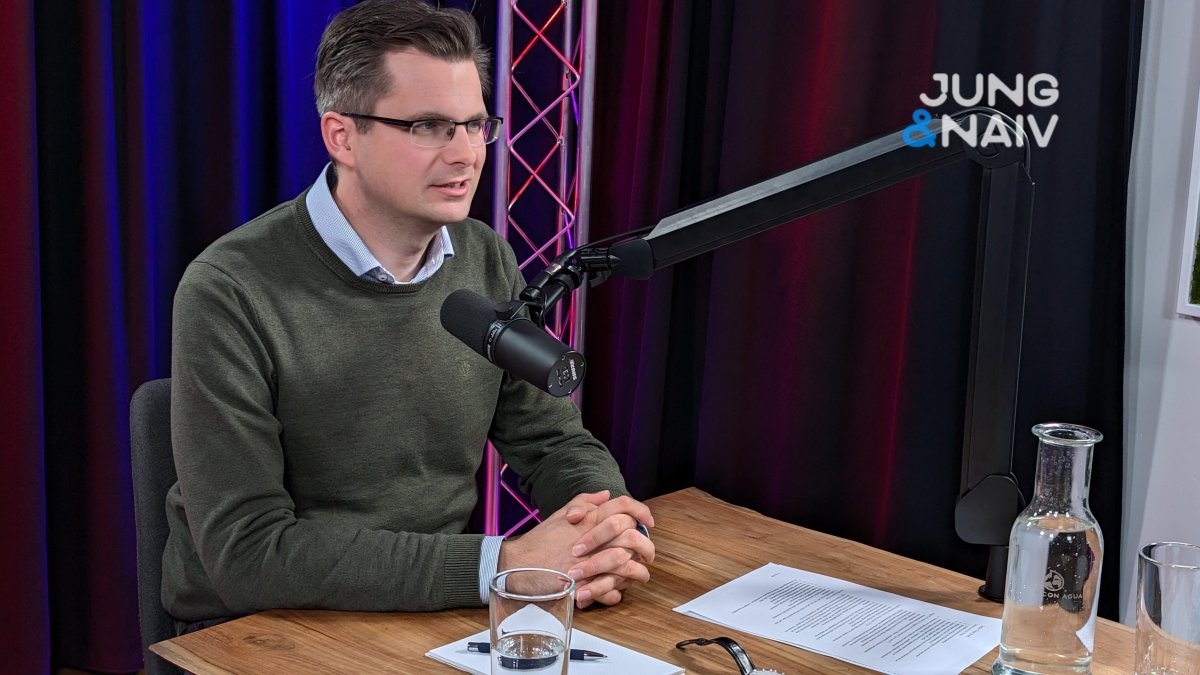
Am 17. Dezember 2024 war ich bei Jung und Naiv zu Gast und habe 2,5 Stunden lang über die Hintergründe des Kriegs in Sudan gesprochen. Verfügbar als Video (hier) und als Podcast auf allen gängigen Plattformen.
Tag: Sudan
«Humanitäre Hilfe für Sudan ist Tropfen auf heissen Stein»
Interview mit SRF Echo der Zeit, 29. August 2024.
SRF News: Wie geht es im Sudan weiter, nachdem in Genf kein Durchbruch möglich geworden ist?
Gerrit Kurtz: Die Amerikaner haben vermutlich die Erwartungen zu hoch gesteckt, als sie für die Gespräche in Genf einen Waffenstillstand als Ziel formuliert hatten. Als sie merkten, dass die sudanesische Armee im Gegensatz zu den paramilitärischen RSF-Milizen keine direkte Delegation schickt, konzentrierte man sich auf humanitäre Fragen. Der vereinbarte sichere Zugang für humanitäre Hilfe in Adré an der Grenze zwischen Tschad und Sudan im Westen ist ein kleiner Fortschritt. Man einigte sich zudem auch auf Hilfslieferungen von Port Sudan über den Norden und damit über die Frontlinie nach Darfur.
Über 700’000 Menschen stehen quasi vor dem Hungertod.
Wirkt sich der sichere Zugang für humanitäre Hilfe über Adré bereits aus?
Seit der Einigung konnten laut UNO 38 Lastwagen mit Hilfsgütern für rund 199’000 Menschen die Grenze passieren. Aber es ist natürlich viel zu wenig angesichts der Millionen, die auf Hilfe angewiesen sind. Über 700’000 Menschen stehen quasi vor dem Hungertod.
Wird die Menge an Hilfsgütern in den nächsten Tagen und Wochen steigen?
Das ist noch schwierig abschätzbar. Die Einigung muss halten. Bereits in den ersten Tagen ging die Grenze nach wenigen Lastwagen wieder zu. Erst seit einem Anruf von UNO-Generalsekretär António Guterres beim sudanesischen Machthaber und Armeeführer Abdelfatah Burhan rollen die Transporte wieder. Dazu kommen die saisonalen Überschwemmungen im Westen wie auch im Osten. Brücken stürzten ein, Strassen sind zum Teil unpassierbar. Hilfe nach Darfur wird in den nächsten Wochen nur erschwert möglich sein
Nach den Gesprächen wurde die Hoffnung geäussert, dass die erste humanitäre Hilfe der Anfang sei. War das berechtigt?
Der US-Sondergesandte Tom Perriello gab heute bekannt, dass es jetzt die erste Runde von virtuellen Gesprächen mit den Delegationen geben soll. Es soll also auch ohne formelle Gesprächsrunden weitergehen. Die internationale Gruppe, die in der Schweiz zusammengekommen ist, soll weiterbestehen und weiter auf hochrangiger Ebene Druck machen. Die stellvertretende UNO-Generalsekretärin Amina Mohammed ist heute in Port Sudan und morgen in Adré, um weitere Fortschritte zu versuchen.
Für mittel- und langfristige Fortschritte braucht es deutlich mehr. Doch dafür ist der Ansatz der USA und ihrer Partner nicht wirklich geeignet.
Haben die Gespräche in der Schweiz also immerhin Kommunikationskanäle geöffnet, um die Lage mittel- und langfristig zu verbessern?
Für mittel- und langfristige Fortschritte braucht es deutlich mehr. Doch dafür ist der Ansatz der USA und ihrer Partner meines Erachtens nicht wirklich geeignet. Denn selbst bei allfälligen Gesprächen über einen Waffenstillstand soll das nur mit den bewaffneten Akteuren geschehen, nicht aber direkt auch mit den zivilen. Die Erfahrungen mit Friedensprozessen gerade auch in Sudan zeigen, dass das nicht funktioniert. Dieser Ansatz müsste dann wohl doch noch geändert werden.
Das Gespräch führte Christina Scheidegger.
Bringt das was? Macklemores Konzert-Absage aus Protest gegen den Krieg im Sudan
„Man spürt auch hier, dass die USA mehr nach innen gekehrt sind“
Interview mit Die Welt, 20.August 2024
Der Krieg im Sudan hat die größte Flüchtlingskrise der Welt ausgelöst. Die USA organisierten internationale Verhandlungen in der Schweiz, um den Krieg zu beenden – aber die Armee des Landes nahm gar nicht erst teil. Sudan-Experte Gerrit Kurtz sieht vor allem einen Akteur kritisch.
Seit 16 Monaten bekämpfen sich die sudanesische Armee und die Miliz Rapid Support Forces (RSF). Zehntausende Menschen starben, jeder fünfte Bürger wurde vertrieben. Und jeder zweite Sudanese ist von einer akuten Hungerkatastrophe bedroht. Gerrit Kurtz (38), Sudan-Experte bei der Stiftung Wissenschaft und Politik (SWP) in Berlin, über die Chancen, den Krieg und die größte Flüchtlingskrise der Welt zu beenden, die Rolle der Akteure – sowie strategische Fehler der USA und Europa.
WELT: Sudans Armee hat Gespräche mit der RSF-Miliz in Genf abgelehnt, am Montag aber dann Vertreter zu Gesprächen mit US-Vermittlern nach Ägypten geschickt. Gibt Ihnen das Hoffnung, dass doch noch Bewegung in die Friedensinitiative kommen könnte?
Gerrit Kurtz: Im Vorfeld der Schweiz-Konferenz waren Unstimmigkeiten mit Sudans Armee nicht ausgeräumt worden. Sie lehnt die Teilnahme der Vereinigten Arabischen Emirate (VAE) als Beobachter ab, kritisiert seit Monaten deren Unterstützung für die RSF mit Waffen und Geld. Es ist aber natürlich genau deshalb entscheidend, dass die VAE bei diesen Verhandlungen eingebunden sind, weil sie eben Einfluss auf die RSF haben. So wie Ägypten Einfluss auf die Armee hat und ebenfalls eingeladen wurde. Vorwürfe der Armee an die RSF, wie etwa die Blockade humanitärer Hilfe, treffen auf sie selbst genauso zu. Das sind für mich also vorgeschobene Gründe. Die Generäle fürchten, dass sich Verhandlungen negativ auf ihre Machtkämpfe innerhalb der Armee auswirken könnten. Aber immerhin finden in Kairo ja nun persönliche Gespräche mit US-Mediatoren statt. Das ist ein Hoffnungsschimmer.
WELT: Wurden Fehler gemacht?
Kurtz: Der Zeitpunkt für die Schweiz-Konferenz war ungünstig angesetzt. Der Beginn am 14. August ist der Tag der Armee im Sudan, an dem Armee-Chef Abdel Fattah al-Burhan eine große kämpferische Rede gehalten hat. Es wirkt auch so, als hätte es mehr Gespräche der USA im Vorfeld geben müssen. Aber man ist natürlich unter Zeitdruck. Wegen der unglaublich dramatischen humanitären Situation, aber auch den anstehenden US-Wahlen, wegen denen ja unklar ist, ob das Mandat des US-Sondergesandten für den Sudan, Tom Perriello, fortgesetzt werden kann. Aber das Ziel des Waffenstillstands setzt die Klärung politischer Rahmenbedingungen voraus. Es steht die Frage im Raum: Was passiert mit den Konfliktparteien am Tag nach dem Waffenstillstand? Das wurde nicht ausreichend verhandelt.
WELT: Sie argumentieren, dass der Sudan kein Stellvertreterkrieg ist und beschreiben die Lage eher als einen Konflikt um die Vorherrschaft des Sicherheitssektors und die Kontrolle der Wirtschaft. Gleichzeitig heizt die Unterstützung von Regionalmächten den Krieg an. Wie passt das zusammen?
Kurtz: Es geht mir um die Charakterisierung des Konflikts, da spielen die Interessen von außen nicht die primäre Rolle. Aber natürlich haben auch geopolitische Rivalitäten Einfluss, wie etwa zwischen den VAE und dem Iran. Abu Dhabi möchte als maritime Macht nicht, dass Teheran als Unterstützer der Armee an Einfluss am Roten Meer gewinnt. Die VAE verfolgen insgesamt eine sehr aggressive Außenpolitik in der Region, das kennen wir auch aus Äthiopien und Libyen. Es handelt sich um ein sehr autokratisches Land, in dem wenige Menschen viel Einfluss haben, ohne für ihre Entscheidungen auch intern viel Rechenschaft ablegen zu müssen. Diese Akteure können mit den Geschicken anderer Länder regelrecht spielen, ohne die Auswirkungen davon zu spüren, über Flüchtlingsströme etwa. Das ist ein großer Unterschied zu Ägypten oder anderen Nachbarländern Sudans.
WELT: Über die Vereinigten Arabischen Emirate wird nicht nur das Gold aus dem Sudan gewaschen, sondern auch das aus anderen Konfliktländern wie Mali. Warum wird so wenig internationaler Druck auf das Land ausgeübt?
Kurtz: In die Richtung der Finanzflüsse zum Konfliktgoldhandel müsste tatsächlich mehr Druck auf die VAE ausgeübt werden, auch aus Europa. Da wurde zuletzt etwas verstärkt draufgeschaut – aber immer noch nicht im ausreichenden Maße. Man verlässt sich darauf, dass die Emirate sich bei der Überwachung selbst überwachen. Die VAE waren mal auf der „Grauen Liste“ der Financial Action Task Force, einem internationalen Gremium zur Bekämpfung illegaler Geldströme, wurden dann aber wieder heruntergenommen, weil sie behaupteten, ausreichend Maßnahmen getroffen zu haben. Mit Blick auf den Konflikt im Sudan ist das aber nicht ersichtlich. Da müsste man womöglich auch noch mehr VAE-Wirtschaftsakteure im Goldsektor sanktionieren und von europäischen Banken abschirmen und Reisen nach Europa ausschließen.
WELT: Fehlt es an einem europäischen Bewusstsein zur Rolle der VAE?
Kurtz: Es ist ein Problem, dass die afrikanischen Konflikte häufig nicht so hoch auf der Agenda von bilateralen Gesprächen westlicher Länder mit den VAE rangieren, anders als etwa der Nahost-Konflikt oder das Thema Energie. Die Geheimdienste dürften klare Beweise haben. Man spricht das vielleicht an. Mehr aber auch nicht.
WELT: Glauben Sie, dass diese Interessen im Nahost-Konflikt oder bei der Energieversorgung so sehr überwiegen, dass man deshalb Themen wie die Ausbeutung afrikanischer Rohstoffe nicht zur Sprache bringt?
Kurtz: Ja. Wenn man es überhaupt zur Sprache bringt, ist gleichzeitig klar, dass keine Konsequenzen zu befürchten sind. Diese müsste man klarer signalisieren und auch durchsetzen. Und da habe ich zumindest meine Zweifel, dass das ausreichend passiert.
WELT: Die USA haben eine von Sanktionen begleitete Geschichte mit dem Sudan. Wird das Land überhaupt als neutraler Vermittler akzeptiert?
Kurtz: Es gibt natürlich keine große Freundschaft mit den USA. Aber das Militär weiß, dass die USA auch bei vergangenen Kriegen wie im Darfur-Konflikt oder dem Unabhängigkeitskrieg des Südens viel Druck ausüben konnten. Aber Sudan hat inzwischen an Relevanz in den USA verloren, der Sondergesandte war früher direkt dem Präsidenten unterstellt, jetzt ist er Gesandter des Außenministers. Man spürt auch hier, dass die USA, abgesehen von der aktuellen Situation in Israel, weit mehr nach innen gekehrt sind als noch vor 20 Jahren. Das gilt besonders für die Situation in Sudan, und das spiegelt sich auch auf den politischen Einfluss dort wider. Natürlich könnte man, wenn man wollte, auch andere Großnarrative finden, die aktuell noch in den USA relevant sind, wie den Einfluss von China und Russland. Aber das sind nun einmal nicht die wichtigsten Akteure im Sudan.
WELT: Russland hat sich bislang beide Kriegsparteien warmgehalten. Glauben Sie, dass der Kreml sein Gewicht klar hinter eine Seite verlagern wird?
Kurtz: Russland ist ein opportunistischer Akteur und versucht, so viel wie möglich aus Sudan herauszuholen. Das betrifft Gold und andere Ressourcen, die Sicherheitspolitik über die geplante Militärbasis am Roten Meer und andere Möglichkeiten, dem Westen zu schaden. Es liegt den Russen näher, mit einem formellen Militär und einer Regierung zu arbeiten. Aber sollte RSF-Anführer Hemedti die Macht übernehmen, dann würde Russland nicht zögern, auch offiziell mit ihm Geschäfte zu machen.
WELT: Viele fürchten, dass der Krieg in einem Libyen-Szenario resultieren wird, bei dem der Westen dauerhaft von der RSF und der Osten von der Armee kontrolliert wird. Teilen Sie diese Sorge?
Kurtz: Es ist auf jeden Fall ein realistisches Szenario. Aber es hat zuletzt signifikante Geländegebiete der RSF im Zentrum des Landes gegeben. Es ist nicht gesagt, dass die Front so bleibt, wie sie ist.
WELT: Gibt es irgendetwas, das Ihnen Hoffnung für den Sudan gibt?
Kurtz: Der Sudan hat weiterhin eine sehr starke Zivilgesellschaft, die trotz des Krieges ein anderes Ausmaß hat als die in Ländern wie Äthiopien oder Südsudan. Das allein wird nicht den Krieg beenden, aber das sollte uns auch weiterhin Hoffnung machen. Solange der Krieg anhält, ist jede Form der zivilen Herrschaft natürlich unmöglich. Armee und RSF wollen die Vorherrschaft über Sicherheitsapparat und Wirtschaft. Aber sie wollen nicht wirklich regieren, dafür fehlen ihnen die Strukturen. Eine gewisse zivile Mitbestimmung ist auch in Zukunft möglich. Aber leider absehbar nicht im Sinne einer Demokratie mit gleichen Rechten für alle. Ein System ohne massiven Einfluss der Gewaltakteure ist aktuell nicht vorstellbar.
Navigating shifting power relations in Sudan – implications for the aid response
Aid and peace efforts need to consider the sustained civilian mobilisation, the rise of the RSF and the fractious nature of the warring parties.
Blog Post, Conflict Sensitivity Facility, 30 July 2024
Sudan’s recent history has been marred by wars and military coups. Since the lowering of the British flag and the creation of independence in 1956, there have only been eleven years without war and thirteen without a military government. Nonetheless, the war between the Sudanese Armed Forces (SAF) and the Rapid Support Forces (RSF) that broke out on 15 April 2023 is different from the past. In contrast to previous wars, it started in Sudan’s centre Khartoum, not the periphery, and within the security sector, not between government and rebel forces. One might say that the ways in which successive Sudanese governments have fought wars in the periphery have reached the centre, with the RSF claiming to fight on behalf of the down-trodden against their exploitation by the elites of Sudan’s post-independence state and the RSF using similar methods of looting, raping and killing in the centre that have previously been largely reserved to the periphery.
While the war has deep roots in Sudan’s militarised history, it also reflects important shifts in Sudanese politics in recent years. These shifts mean that the previous transactional pattern of conflict management no longer works. Understanding these dynamics is crucial for aid actors to avoid feeding into the conflict.
Dominance of the security sector
In one sense, the war is the culmination of a highly militarised political settlement. Since colonial times, central governments in Sudan have exploited the peripheries for their resources. As some people from those marginalised peripheries joined armed groups, the government delegated counter-insurgency to militias and government-aligned armed groups outside the formal security sector (already in the late 1980s). The RSF emerged from Darfuri militias in 2013, and grew to become the strongest infantry in the country. The RSF leadership became rich by loaning their services not just to the government but to the Saudi-Emirati coalition in Yemen and by using their forces to protect their own business interests.
In the centre, governments remained highly vulnerable to coup plotters that were dissatisfied with the distribution of rents and power resulting from the exploitation of the periphery. Sudan has been the most coup-prone country in Africa. In 1964, 1985 and 2019, military coup-leaders sided with civilian uprisings to establish civilian governments. In 1958, 1969 and 1989, military coup leaders allied with a political party to interrupt democratic governance, using them as civilian façade.
Civilian politics has been warped by the authoritarian context. Mainstream political parties such as the National Umma Party and the Democratic Unionist Party at several points cooperated with the government of President Bashir. Given their experience with infiltration, betrayal and co-option, many civilian policymakers espouse a zero-sum mentality, which made trusted cooperation among the parties difficult.
In sum, the legacy of Sudan’s militarised political settlement meant that any civilian transition process was going to be fragile. Political parties would fight for their own visibility rather than focus on the establishment of institutions. It also meant that the threat of a renewed coup would be ever present, especially since the transitional government aimed to dismantle the dominance of the security sector in politics and in the economy.
Power shifts
In the past five years, there have been two major shifts in Sudan’s political order. Starting with the December 2018 revolution, Sudanese civil forces proved that they could sustain protests and grassroots opposition despite violent repression. As a result, both military and political elites faced obstacles to continuing exclusive deals. It is worth remembering that the military failed in its attempt to retain the monopoly of power after removing President Bashir. A few weeks after violently dispersing the sit-in in front of the military Headquarters in central Khartoum, protestors came out in droves in the “millions march”. When the military seized power yet again in October 2021, they tried to resort to old-style co-option tactics with an agreement between Abdel Fattah al-Burhan, the head of the military, and Abdalla Hamdok, the prime minister who was under house arrest at that time. Yet political parties ultimately rejected the agreement of 21 November 2021, faced with mass protests and strikes organised by resistance committees. The military’s efforts to create a civilian façade failed also in the following weeks.
The second shift has been the rise of the RSF as a parallel army, major economic network and political actor. With the ousting of Bashir, Hemedti became deputy chair of the transitional military council and retained that position in the Sovereign Council that was created with the formation of the civil-military transitional government in August 2019. During the transition process, the RSF grew significantly in size and influence to rival the SAF. Initially, Burhan was a willing accomplice in this as were mainstream political parties, both trying to use the rise of the RSF to guard against the resurgence of loyalists of the defunct National Congress Party (NCP), Bashir’s party. Hemedti became a major interlocutor for the armed groups that negotiated the Juba peace agreement with the new government. He also conducted his own foreign policy in the region, notably in Ethiopia, South Sudan and the UAE. At the same time, with its origin as a tribal militia-turned into paramilitary force, the RSF did not fit well with the political and security class from riverain Sudan that dominates Khartoum politics.
From coup to war risk
As a consequence, the division in the security sector was the greatest threat to the transition since its start, as I show in my recent study on power relations since the fall of Bashir. Many observers had expected a military coup when it happened in October 2021, but the security forces did not sufficiently prepare for the changed political environment. With no credible civilian partner willing to join them, RSF and SAF had to manage ruling the country on their own. Their mutual suspicions and mistrust only increased though when both reached out to different sections of the civilian sector. The SAF brought back loyalists of the NCP into public service, while Hemedti tried to present himself as an ally of the democracy movement and began openly saying that the coup had failed. Both prepared for an armed confrontation.
When the conflict escalated on 15 April 2023, either side failed to quickly seize power. The RSF had brought in massive troops in the weeks leading up to the war, but the SAF had the advantage of an air force, more heavy weapons, and heavily fortified garrisons (the RSF still have not managed to take the military HQ in Khartoum). The RSF dispersed, looting and occupying civilian residences as war booty and to protect themselves against air strikes. The highly mobile and adaptive RSF forces were able to capture significant parts of Sudan’s territory, as SAF remained focused on defending fixed positions and withdrew when they felt they could no longer hold their position.
Three implications for the aid response
Aid actors need to navigate the shifting power relations in Sudan carefully. The integrity and stability of the Sudanese state is severely challenged. As things stand, it is unlikely that the country will soon see a return of any of the power-sharing models among the SAF and the RSF or between civilians (technocrats or political parties) and the security forces of the past five years. Plausible scenarios include a formally civilian government with strong interference from the security forces and NCP loyalists in the background or a de facto split of the governance of the country according to the effective control of the warring parties with different configurations in each territory.
More specifically, aid actors should draw three broad lessons from the shift in power relations. One, they need to consider the sustained civilian mobilisation, including by further pursuing the localisation of aid and working more with community efforts such as emergency response rooms and communal kitchens, where they are available. In mid-July, the emergency room in Khartoum’s South Belt announced the closure of 25 community kitchens because of lack of funds, for example. Supporting these community-led service providers not only helps mitigate the famine but can also strengthen social cohesion and gender equality. At the same time, outside actors should avoid creating too high expectations for these local civilian actors. In particular, they should look out for the most vulnerable sections of society which may fall through the cracks if engagement happens more within smaller circles of well-established groups.
Two, aid organisations and humanitarian policy-makers should explore more ways for cross-border and cross-line deliveries in RSF-held and non-aligned territories (such as Jebel Marra and the Nuba mountains). The authorities in Port Sudan currently hold sway over visa, travel permits and access procedures even in areas that they do not control; which is all the more problematic as many of the greatest humanitarian needs are in RSF-held territories, including most of the hotspots identified as at risk of famine.While there is no unfettered right for humanitarian access across borders, conflict parties violate International Humanitarian Law when their refusal “results in starvation of civilians”. Member states can support aid organisations in more robust negotiations with the SAF-controlled authorities and by making clear that those authorities lack legitimacy to represent Sudan. In some cases, cash programming may enable private sector actors to scale up activities in areas that are hard for international actors to reach.
Third, aid actors should prepare for further shifts in Sudan’s power relations. The longer the war goes on, the more the main conflict parties will fragment and the more people are likely to join armed factions to protect themselves and to ensure an income for their families. Already, three quarters of the fighting force on the army side are volunteers, according to Burhan. Relations between the popular resistance forces (quickly mobilised and trained volunteer forces responding to Burhan‘s June 2023 call to arms), Islamist brigades, formal military and associated armed groups such as the Sudan Liberation Army-Minni Minnawi could weaken. In practical terms, the relative efficiency of top-down decisions in SAF-controlled territories that aid organisations have experienced so far may come to resemble more the fractious relations between different armed units already known in RSF-controlled areas. As a result, more access expertise for local-level negotiations may become necessary.
In the end, all outside actors, humanitarian, peace and diplomatic ones alike, should avoid undue deference to the priorities of military actors. Instead, they should hold themselves accountable to the Sudanese civilian population as much as possible.
Friedensgespräche in der Schweiz: Was passiert gerade im Sudan?
Interviews zur Einladung der USA an die SAF und RSF für Waffenstillstandsgespräche in der Schweiz, die am 14.August 2024 beginnen sollen.
News Plus Podcast, SRF Radio, 24.07.2024
Tagesschau, SRF Fernsehen, 24.07.2024
Krieg im Sudan : Sind die verfeindeten Generäle jetzt zum Waffenstillstand bereit?, Tagesspiegel, 26.07.2024
“There is a high risk of targeted attacks against civilians”
Aiyn Network, 22 June 2024
Quotes in: Experts ask for a new civilian protection force in Sudan, https://3ayin.com/en/civilprotection/
“Gerrit Kurtz, a researcher at the German Institute for International and Security Affairs, sees little chance of passing such a resolution via the UN Security Council and places more hope through regional mechanisms. “The UN Security Council is largely blocked because of the bad relations between Russia on the one side and the US, UK and France on the other among the permanent members. Therefore, only the AU Peace and Security Council or the AU Assembly could authorise an African deployment,” he said.”
…
“Kurtz warns of further mass atrocities perpetrated by hate speech. He expressed concern that the current polarisation is taking on a tribal dimension and that civilians arm themselves either for self-defence or to join a warring party. “There is a high risk of targeted attacks against civilians based on their ethnic identity if the RSF manage to capture El Fasher,” he said.”
…
“Kurtz argues that the international community could exert more influence over the warring parties, especially given the significant financial and military flows benefiting them.”
„Russland betreibt ein doppeltes Spiel“
IPG-Journal, 20.6.2024
Neuer Einfluss in Afrika? Gerrit Kurtz über russische Marinebasen, die Rolle Moskaus im Bürgerkrieg im Sudan und deutsche Interessen am Roten Meer. (Quelle)
Die Fragen stellte Constantin Grund.
Die Russische Föderation verstärkt durch eine neue Marinebasis ihre Militärpräsenz am Roten Meer. Wie laut schallt die russische Nationalhymne künftig über dem Roten Meer?
Das müssen wir noch sehen. Wir dürfen nicht vergessen, dass die Einrichtung einer russischen Marinebasis am Roten Meer schon seit mehreren Jahren im Grundsatz vereinbart war, allerdings wurde diese Vereinbarung bisher nicht umgesetzt. Kürzlich bestätigte der russische Vize-Außenminister laufende Gespräche, ließ aber durchblicken, dass das Abkommen noch nicht final sei. Neben Sudan verhandelt Russland auch mit Eritrea über eine Präsenz am Roten Meer. Dort scheinen die Gespräche schon sehr viel weiter fortgeschritten als mit Sudan.
Was beinhaltet das Abkommen konkret, und was steht möglicherweise auch nur zwischen den Zeilen?
Diskutiert wurde zunächst nur eine kleinere Basis für logistische Zwecke, die perspektivisch aber auch von der russischen Marine genutzt werden kann. Konkret sollen an dieser Basis bis zu 300 Soldaten stationiert werden und bis zu vier russische Militärschiffe andocken können. Dies war bereits seit längerem bekannt. Jetzt hat die sudanesische Seite als Gegenleistung für diese Basis neue Waffenlieferungen aus Russland ins Spiel gebracht, wenngleich dafür eine Bestätigung aus Moskau noch aussteht.
Die Ursprünge dieses Abkommens gehen ins Jahr 2017 zurück. Das Russland nahestehende sogenannte Afrikakorps hatte im Verlauf der aktuellen Auseinandersetzungen die Rapid Support Forces (RSF) unterstützt. Vollzieht Russland mit der neuen Kooperation jetzt einen Strategiewechsel im Sudan?
Auch vorher war schon deutlich geworden, dass Russland im Sudan ein doppeltes Spiel betreibt. Bereits vor rund einem Jahr waren führende Vertreter der sudanesischen De-facto-Regierung in Moskau und haben das Gespräch mit der russischen Führung gesucht. Der stellvertretende russische Außenminister war kürzlich in Port Sudan und hat sich dort sehr eindeutig auf die Seite der SAF, also der Armee, gestellt und mitgeteilt, dass Russland die aktuelle Regierung als die einzig legitime Regierung des Sudan anerkenne. Gegenstand der Gespräche war auch die Forderung der SAF nach einem Ende der Unterstützung des Afrikakorps für die RSF. Die russischen Vertreter haben dann die Existenz der ukrainischen Soldaten auf Seiten der SAF thematisiert. Bislang ist noch nicht klar, ob es tatsächlich zu einem Ende des Engagements des Afrikakorps im Sudan kommt.
Wenn es zu einer russischen Marinebasis käme, wäre dies dann ein Gamechanger für den innersudanesischen Konflikt? Kann man damit rechnen, dass die SAF mittelfristig die Oberhand gewinnt?
Damit würde ich nicht rechnen. Es wäre sicherlich ein Gamechanger, wenn das russische Militär selbst in den Konflikt eingreifen würde, so wie es das in Syrien seit dem Jahr 2015 getan hat. Danach sieht es momentan im Sudan nicht aus. Hier geht es vorrangig nur um die Lieferung von Waffen, von denen die Streitkräfte natürlich profitieren würden, aber am Ende braucht es nicht einfach nur bestimmte Waffentypen, sondern auch qualifiziertes Personal und taktische Fertigkeiten. An beidem mangelt es den Streitkräften bisher, um gegenüber den RSF wirklich Erfolge erzielen zu können. Von einem Gamechanger kann man daher bisher nicht sprechen.
Früher hieß es, Zentralasien sei das neue Great Game der internationalen Politik. Jetzt kann man den Eindruck gewinnen, am Roten Meer kulminierten die Interessen von sehr viel mehr Akteuren auf sehr engem Raum. Wie gefährlich wird das in Zukunft?
Ja, in der Tat. Auch über Sudan hinaus gibt es sehr viele Akteure, die sich gerade am Roten Meer konzentrieren. Die Angriffe der Houthis auf Handelsschiffe hatten Folgen, auch in militärischer Hinsicht, und führten zu einem stärkeren Engagement der US-Amerikaner und der Europäer. Es könnte noch weitere, anders gelagerte Auseinandersetzungen in der Region geben aufgrund der Bedeutung dieser geografischen Achse für den Handel zwischen Europa und Asien. Die direkten Anrainerstaaten wie Saudi-Arabien und Ägypten haben enorme Interessen, auf die andere Staaten wiederum reagieren müssen.
Sind deutsche außen- und sicherheitspolitische Interessen für die Region ausreichend definiert?
Deutschland hat am Roten Meer definierte Interessen. Dies zeigte sich deutlich an der zeitnahen Entsendung der Fregatte Hessen zum Schutz der maritimen Handelswege, die für Deutschland wichtig sind. Immerhin verfügt die Bundesmarine nur über drei solcher Schiffe. Eines davon für eine solche Mission abzustellen, und sei es nur zeitweise, ist definitiv ein commitment. Die Ergebnisse einer solchen Mission stehen immer auf einem anderen Blatt. Insgesamt bräuchte es sicherlich ein vertiefteres politisches Engagement in der Region mit einer stärkeren Schärfung unseres eigenen Interessenprofils.
Deutschland ist gerade stark mit Innenpolitik beschäftigt. Welche Bedeutung hat das für die Formulierung deutscher außen- und sicherheitspolitischer Interessen im Sudan und am Roten Meer?
Ich würde davon abraten, sich zu stark auf ein mögliches Abkommen für die Marinebasis zwischen Sudan und Russland zu konzentrieren. Der Krieg im Sudan ist an sich schon eine Bedrohung der internationalen Sicherheit und gleichermaßen eine humanitäre Katastrophe, die jeden Tag schlimmer wird. Dies ist die größte Vertreibungskrise der Welt und ich glaube, auch dort sind deutsche Interessen direkt betroffen. Deutschland hat ein Interesse an der Aufrechterhaltung einer regelbasierten Weltordnung. Zu diesen Regeln gehört auch das humanitäre Völkerrecht, gehören grundlegende Menschenrechte sowie der Zugang zu humanitärer Hilfe für Bedürftige. All dies wird im Sudan derzeit mit Füßen getreten.
Sudan-Experte: «Der Konflikt hat sich fragmentiert»
SRF Radio, Echo der Zeit, 7.6.2024
Seit über einem Jahr tobt im Sudan ein brutaler Konflikt. Es handelt sich dabei um eine der grössten humanitären Krisen der Welt. Trotzdem bleibt der Krieg weitgehend ausserhalb des Blickfelds der internationalen Öffentlichkeit. Wie die militärische Lage derzeit aussieht, schildert der Sudan-Experte Gerrit Kurz.
Power Relations in Sudan after the Fall of Bashir. From Revolution to War.

SWP Research Paper 2024/RP 05, 10.05.2024. doi:10.18449/2024RP05
Abstract
- War has raged in Sudan since April 2023 following fundamental changes in the political balance of power in recent years. The previously dominant security sector is deeply divided and the once weakly organised civil society has mobilised.
- Competition within the security sector made it possible to form a civil-military transitional government. Yet the continued rise to power of the Rapid Support Forces increased the risk of armed conflict, especially after the coup in 2021.
- Since Bashir’s fall in 2019, the security forces have twice tried in vain to establish sole military rule. The civil-military transitional government also failed because the military still had considerable power resources at its disposal. Sudan’s political elite contributed to this outcome by paying too little attention to the establishment of transitional institutions and too much attention to its own visibility.
- International actors who wanted to strengthen Sudan’s transition process could have repelled the security forces more decisively instead of reflexively accepting them. Many international as well as Sudanese efforts suffered from the fact that they viewed the inclusion or exclusion of the security forces as a binary issue.
- A new non-inclusive, elitist deal with Sudan’s violent entrepreneurs will not bring peace if there are no civilian forces at the table. Instead, Sudan’s best chance lies in the social capital of its citizens’ voluntary commitment to humanitarian aid, democracy and local reconciliation.

